Key Takeaways
- Organic farming emphasizes natural processes and biodiversity to maintain soil fertility and crop health.
- Chemical farming relies heavily on synthetic fertilizers, pesticides, and herbicides to maximize crop yields quickly.
- Soil health and environmental impact differ significantly between the two methods, influencing long-term agricultural sustainability.
- Economic factors and market demands often dictate the choice between organic and chemical farming practices.
- Each farming system presents unique challenges related to pest control, productivity, and resource management.
What is Organic Farming?

Table of Contents
Organic farming is an agricultural approach that avoids synthetic chemicals, focusing instead on natural inputs and ecological balance. It seeks to promote sustainable practices by enhancing soil health and protecting biodiversity.
Soil Fertility Management
Organic farming relies on compost, green manures, and crop rotation to improve soil structure and nutrient content. These natural methods foster a living soil ecosystem that supports beneficial microbes essential for nutrient cycling.
Unlike chemical fertilization, organic techniques build long-term fertility rather than just supplying immediate nutrients. For instance, farmers use cover crops like clover to fix nitrogen naturally, reducing dependence on external inputs.
Pest and Disease Control
Organic systems manage pests through biological control, crop diversity, and mechanical methods rather than synthetic pesticides. For example, introducing predatory insects like ladybugs helps suppress aphid populations without chemical intervention.
Crop rotation and intercropping also reduce pest outbreaks by interrupting life cycles and maintaining ecological balance. This approach minimizes environmental harm and preserves insect biodiversity beneficial to crop health.
Biodiversity and Ecosystem Services
Organic farms typically support higher biodiversity levels, including soil organisms, pollinators, and wildlife. These organisms contribute to ecosystem services such as pollination, pest regulation, and nutrient cycling.
Maintaining hedgerows and natural habitats around fields further enhances this diversity, creating buffer zones that protect crops and wildlife. This integration supports resilient farming systems that can better adapt to environmental fluctuations.
Certification and Market Demand
Organic products often require certification by regulatory bodies to assure consumers about farming practices. This certification process involves strict adherence to organic standards and periodic inspections.
Market demand for organic foods has increased due to consumer health concerns and environmental awareness, creating premium pricing opportunities. This trend supports farmers willing to invest in organic methods despite potential yield challenges.
What is Chemical Farming?
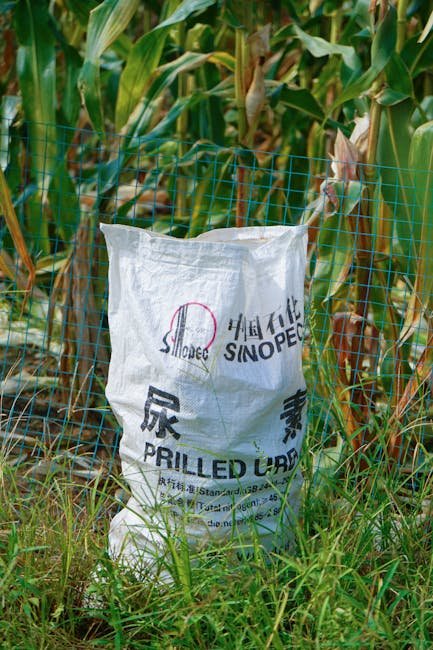
Chemical farming involves the extensive use of synthetic fertilizers, pesticides, and herbicides to enhance crop production and protect against pests. It aims to increase yields quickly and efficiently through targeted inputs.
Use of Synthetic Inputs
Chemical farming depends on nitrogen, phosphorus, and potassium fertilizers manufactured through industrial processes. These inputs provide readily available nutrients that accelerate plant growth and boost productivity.
Herbicides and pesticides are applied to control weeds and pests, reducing crop losses and labor requirements. However, their repeated use may lead to resistance development in pests and environmental contamination.
Impact on Soil and Environment
Continuous application of chemical fertilizers can lead to soil acidification, nutrient imbalances, and reduced microbial diversity. Over time, this can degrade soil structure and diminish fertility, requiring increased input use.
Runoff from fields treated with synthetic chemicals often contaminates surface and groundwater, posing risks to aquatic ecosystems and human health. This pollution necessitates monitoring and mitigation strategies to minimize environmental damage.
Crop Yield and Efficiency
Chemical farming typically achieves higher immediate crop yields compared to organic methods, meeting the demands of large-scale food production. The ability to precisely control nutrient supply and pest management contributes to consistent harvests.
This efficiency enables the cultivation of monocultures optimized for mechanization and market preferences. Despite benefits in output, this intensification may reduce crop genetic diversity and increase vulnerability to pests or climate stress.
Economic Considerations
Chemical farming often reduces labor costs through mechanization and chemical weed control, appealing to commercial producers. However, reliance on purchased inputs can increase operational expenses and exposure to market price fluctuations.
Farmers may face financial risks if pest resistance develops or input prices rise sharply, impacting profitability. Subsidies and government policies in many regions influence the adoption and sustainability of chemical farming systems.
Comparison Table
The following table highlights key differences and similarities between organic and chemical farming practices across various dimensions.
| Parameter of Comparison | Organic Farming | Chemical Farming |
|---|---|---|
| Input Sources | Natural compost, green manure, biological pest control | Synthetic fertilizers, chemical pesticides, herbicides |
| Soil Management | Enhances microbial activity and organic matter content | May degrade soil structure and reduce microbial diversity |
| Pest Control Techniques | Use of predators, crop rotation, natural repellents | Application of targeted chemical pesticides and herbicides |
| Crop Yield Stability | Generally lower but improves with soil health over time | High yields with immediate nutrient availability |
| Environmental Impact | Promotes biodiversity and reduces pollution risks | Potential contamination of soil and water bodies |
| Labor Requirements | Higher due to manual weed and pest management | Lower because of chemical weed control and mechanization |
| Certification & Standards | Requires third-party organic certification | No mandatory certification for chemical input use |
| Market Price | Typically commands premium prices for products | Generally lower retail prices due to mass production |
| Adaptability to Climate | Improves resilience through ecosystem diversity | Vulnerable to pest outbreaks and soil degradation |
| Dependency on External Inputs | Minimized through natural cycles and inputs | High reliance on purchased synthetic materials |
Key Differences
- Approach to Soil Fertility — Organic farming builds soil health over time, while chemical farming focuses on immediate nutrient supply.
- Pest Management Philosophy — Organic methods use ecological balances; chemical farming relies on synthetic pesticides.
- Environmental Footprint — Organic systems tend to reduce pollution, whereas chemical farming can contribute to contamination.
- Economic Model — Organic farming often involves higher labor and certification costs, unlike chemical farming’s input-driven expenses.
- Crop Diversity — Organic farming encourages diverse cropping patterns, whereas chemical farming favors monocultures optimized for inputs.
FAQs
How does water usage differ between organic and chemical farming?
Organic farming often employs water-conserving techniques such as mulching and maintaining soil organic matter, which improves moisture retention. Chemical farming may lead to increased water demand due to intensive crop growth and potential soil degradation reducing water-holding capacity.
Can chemical farming methods be integrated into organic systems?
While organic standards prohibit synthetic chemicals, some integrated pest management practices borrow concepts from chemical farming, focusing on minimal and targeted interventions. However, full integration is limited by certification rules and philosophical differences regarding synthetic input use.
What role does technology play in enhancing organic farming?
Technological advances such as precision agriculture, remote sensing, and bioinformatics help optimize organic inputs and monitor soil health effectively. These innovations support organic farmers in improving efficiency without compromising ecological principles.