Key Takeaways
- “Country” denotes a recognized geopolitical entity with defined borders and governance, while “Rural” refers to geographic areas characterized by low population density and agricultural or natural landscapes.
- Countries encompass both urban and rural zones, whereas rural areas specifically exclude urbanized settings within or outside countries.
- Governance and administrative functions are centralized at the country level, but rural areas often experience localized management reflecting their unique socioeconomic conditions.
- Economic activities in countries are diverse and multifaceted, while rural areas are predominantly linked to agriculture, resource extraction, or tourism.
- Infrastructure and public services vary significantly between countries’ urban centers and their rural peripheries, influencing quality of life and development opportunities.
What is Country?
Table of Contents
A country is a sovereign political entity defined by internationally recognized borders and a centralized government. It functions as an autonomous unit in global affairs, including diplomacy, lawmaking, and defense.
Political Sovereignty and Governance
At its core, a country exercises political sovereignty, meaning it has the authority to govern its territory and population without external interference. This sovereignty is manifested through governmental institutions such as parliaments, courts, and executive agencies that enforce laws and policies.
For example, countries like Canada and Japan enact national legislation that applies uniformly across their entire territories, ensuring coherence in governance. Even within federations, the overarching sovereignty remains with the country while subnational entities hold delegated powers.
Countries also participate in international organizations such as the United Nations, which recognize their sovereignty and provide a platform for diplomatic engagement. This global recognition is crucial for maintaining peace, trade relations, and cooperative initiatives.
Defined Territorial Boundaries
Countries are geographically delineated by fixed boundaries that are usually recognized by other nations and international bodies. These boundaries can be natural, such as rivers and mountain ranges, or artificially demarcated through treaties and historical agreements.
For instance, the border between France and Germany follows the Rhine River in some segments, illustrating how natural features can define a country’s limits. In other cases, colonial history has led to borders that do not correspond to physical geography, like many African countries.
These defined borders are essential for establishing jurisdiction over land, resources, and the population residing within the country’s territory. Disputes over these boundaries can lead to conflicts or diplomatic negotiations.
Population and Cultural Diversity
Countries often encompass diverse populations that include multiple ethnic groups, languages, and cultural traditions within their borders. This diversity can be a source of cultural richness but also poses challenges for national unity and policy-making.
India is a prime example, with over twenty officially recognized languages and a myriad of cultural practices coexisting under one national framework. Governments must balance regional identities with the broader concept of citizenship to maintain social cohesion.
Some countries promote multiculturalism and federalism to accommodate diversity, allowing different regions or communities to preserve their customs while being part of the national whole. This approach affects education, governance, and public communication strategies.
Economic Structures and National Development
The economy of a country is typically multifaceted, comprising various sectors such as industry, services, agriculture, and technology. National governments play a key role in regulating economic policies, trade agreements, and fiscal management to promote growth.
Countries like Germany have robust industrial bases alongside advanced service sectors, illustrating economic complexity. National economic planning often involves balancing urban and rural development priorities to ensure inclusive growth.
International trade agreements and economic partnerships are negotiated at the country level, affecting everything from tariffs to labor standards. These agreements influence the country’s position within the global economy and its internal prosperity.
National Infrastructure and Public Services
A country is responsible for developing and maintaining infrastructure that supports transportation, communication, healthcare, and education across its territory. These services are critical for ensuring citizens’ well-being and economic productivity.
For example, the United States invests heavily in a nationwide highway system and telecommunications networks that connect both urban and rural areas. However, disparities often exist between different regions within a country regarding access to these services.
National governments also oversee defense and emergency services, which require coordination at the country level to address threats and crises effectively. The extent and quality of infrastructure can significantly impact a country’s development trajectory.
What is Rural?
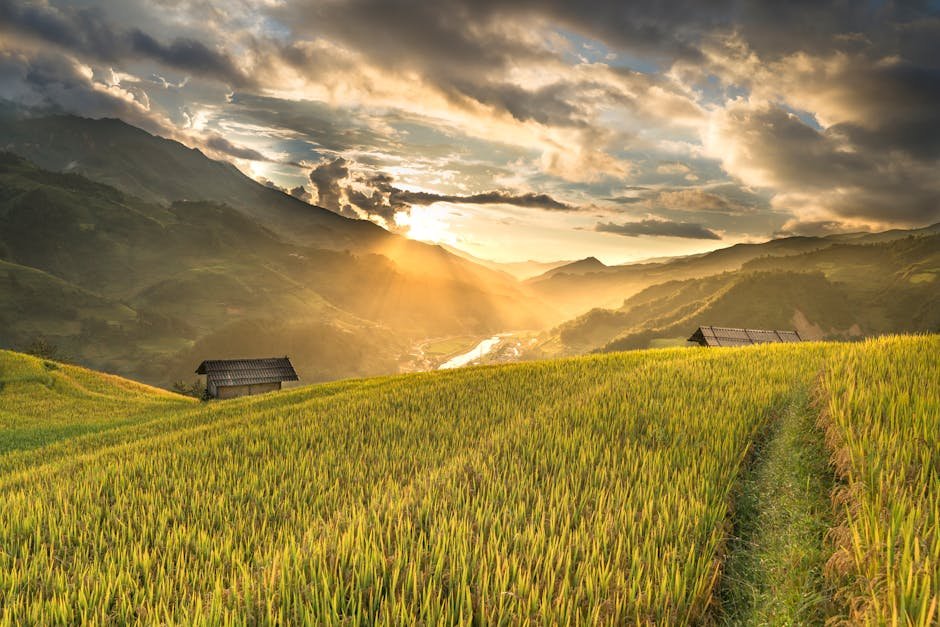
Rural areas refer to geographic regions characterized by low population density and limited urban development. These areas are often associated with agriculture, open spaces, and smaller settlements compared to cities or towns.
Demographic Characteristics and Settlement Patterns
Rural regions typically have sparse populations spread across villages, hamlets, or isolated farms rather than dense urban neighborhoods. This demographic pattern affects social dynamics, with communities often relying on close interpersonal relationships and local traditions.
In countries like Australia, vast rural expanses have very few inhabitants, leading to unique challenges in service delivery and connectivity. Conversely, some rural areas in Europe have centuries-old villages with rich cultural histories despite their small size.
The population in rural zones is often aging, as younger residents migrate to urban centers for education and employment. This demographic shift impacts rural economies and social structures, sometimes leading to declining local services.
Economic Activities and Land Use
Economic life in rural areas is predominantly centered around agriculture, forestry, fishing, and sometimes mining or tourism. The landscape is largely shaped by land use patterns that prioritize farming, grazing, and conservation over industrial development.
For example, the rural Midwest of the United States is known for extensive farmland producing corn and soybeans, which supports both local economies and national food supplies. In other regions, rural tourism linked to natural parks or heritage sites is a vital source of income.
The seasonal nature of agricultural work means rural economies can be highly cyclical and vulnerable to weather or market fluctuations. This economic dependence contrasts with the diversified economies found in urban or national contexts.
Infrastructure and Accessibility Challenges
Rural areas often face limitations in infrastructure, including fewer paved roads, limited public transportation, and reduced internet connectivity. These constraints can hinder access to education, healthcare, and markets, affecting quality of life.
In India, rural villages may lack reliable electricity or potable water, necessitating government interventions and NGO support. Similarly, remote rural communities in Canada rely on seasonal roads or air transport for essential supplies.
Addressing rural infrastructure deficits is a priority for many countries seeking balanced regional development. Innovations such as satellite internet and mobile health clinics are emerging solutions to improve rural accessibility.
Social Services and Community Life
Social services like schools, hospitals, and recreational facilities are often fewer and less specialized in rural areas compared to urban centers. Residents may need to travel significant distances to access these services, impacting educational attainment and health outcomes.
In rural Japan, aging populations face challenges in accessing healthcare due to shortages of medical professionals. Community centers and local organizations frequently play a vital role in maintaining social cohesion and supporting vulnerable groups.
Despite these challenges, rural communities often exhibit strong social networks and a sense of collective responsibility. Agricultural fairs, local festivals, and religious gatherings reinforce cultural identity and interpersonal bonds.
Environmental and Natural Landscape
Rural areas are closely linked to natural environments, including forests, rivers, mountains, and agricultural land. This connection shapes lifestyles, economic activities, and conservation efforts within these regions.
Many rural zones serve as critical habitats for wildlife and act as buffers against urban sprawl. Areas like the rural Scottish Highlands combine scenic landscapes with traditional farming practices, attracting eco-tourism.
Environmental stewardship is often a community priority, balancing economic needs with sustainability. Rural residents may face challenges related to land rights, resource management, and climate change impacts.
Comparison Table
The following table outlines key distinctions between “Country” as a geopolitical entity and “Rural” as a geographic classification within or across countries.
| Parameter of Comparison | Country | Rural |
|---|---|---|
| Definition | A sovereign state with recognized borders and government authority. |