Exploring 21 DIY natural dye techniques opens up a world of creativity with colors derived straight from nature. These DIY natural dye methods allow you to transform fabrics using leaves, flowers, spices, and other organic materials.
Table of Contents
Whether you’re a hobbyist or looking for eco-friendly alternatives, natural dye techniques provide a unique way to customize textiles with earthy tones and vibrant hues. I once tried a simple onion skin dye, and the warm amber shade was surprisingly beautiful and soothing.
These 21 DIY natural dye techniques vary from easy to more detailed, giving you plenty of options to experiment and enjoy natural colors.
Extracting Color From Onion Skins For Warm Hues
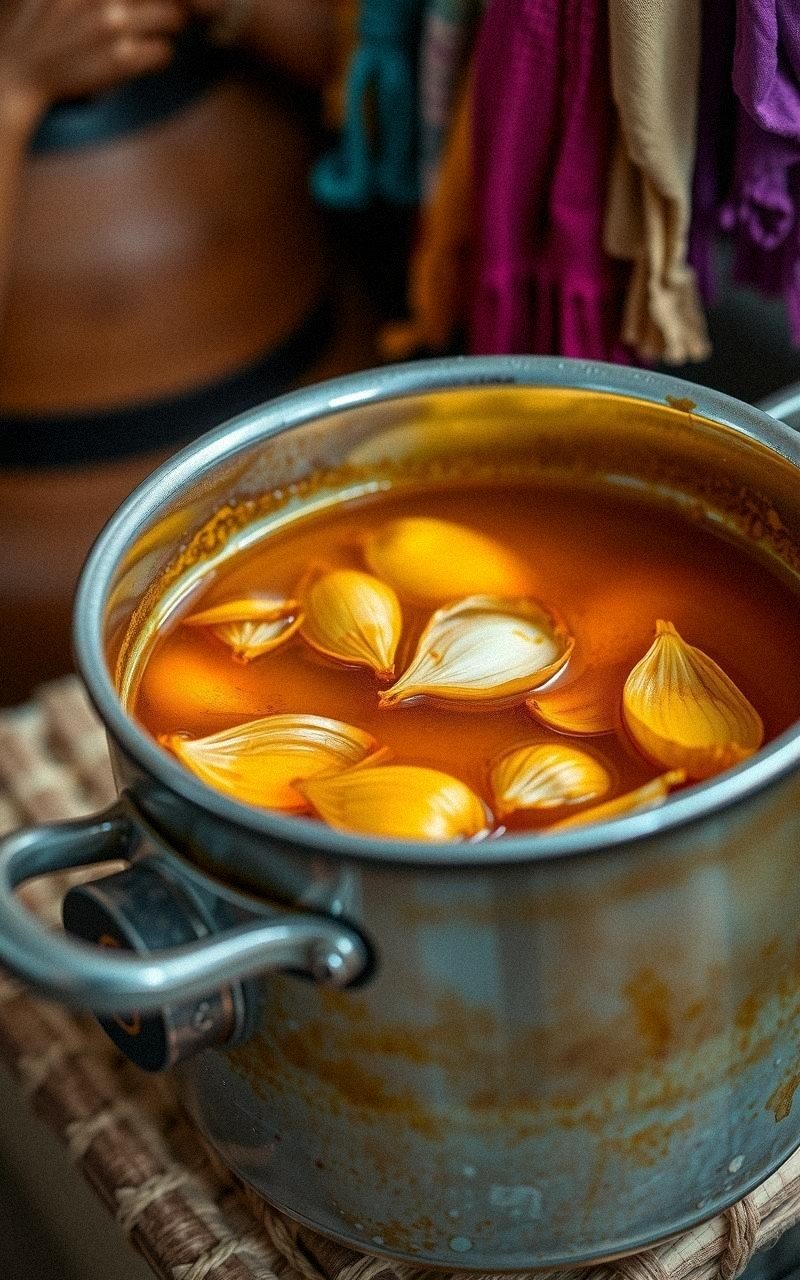
Onion skins are a classic source for natural dye, producing rich golden to amber tones. Using yellow or red onion skins, you can achieve warm, earthy colors that bring a natural vibrance to cotton or wool fabrics.
The process involves simmering the skins in water to extract the pigment, then soaking your fabric to absorb the color. This simple technique offers a beautiful, eco-friendly dye option that’s great for beginners.
The resulting shade varies depending on fabric type and soaking time, creating unique, handcrafted results every time.
Steps:
- Collect yellow or red onion skins and rinse them.
- Simmer the skins in water for about an hour.
- Strain the dye liquid into a pot.
- Soak pre-wetted fabric in the dye for 1-2 hours.
- Remove fabric and rinse with cold water.
- Hang fabric to dry away from direct sunlight.
Vibrant Indigo Dyeing With Fermentation Process
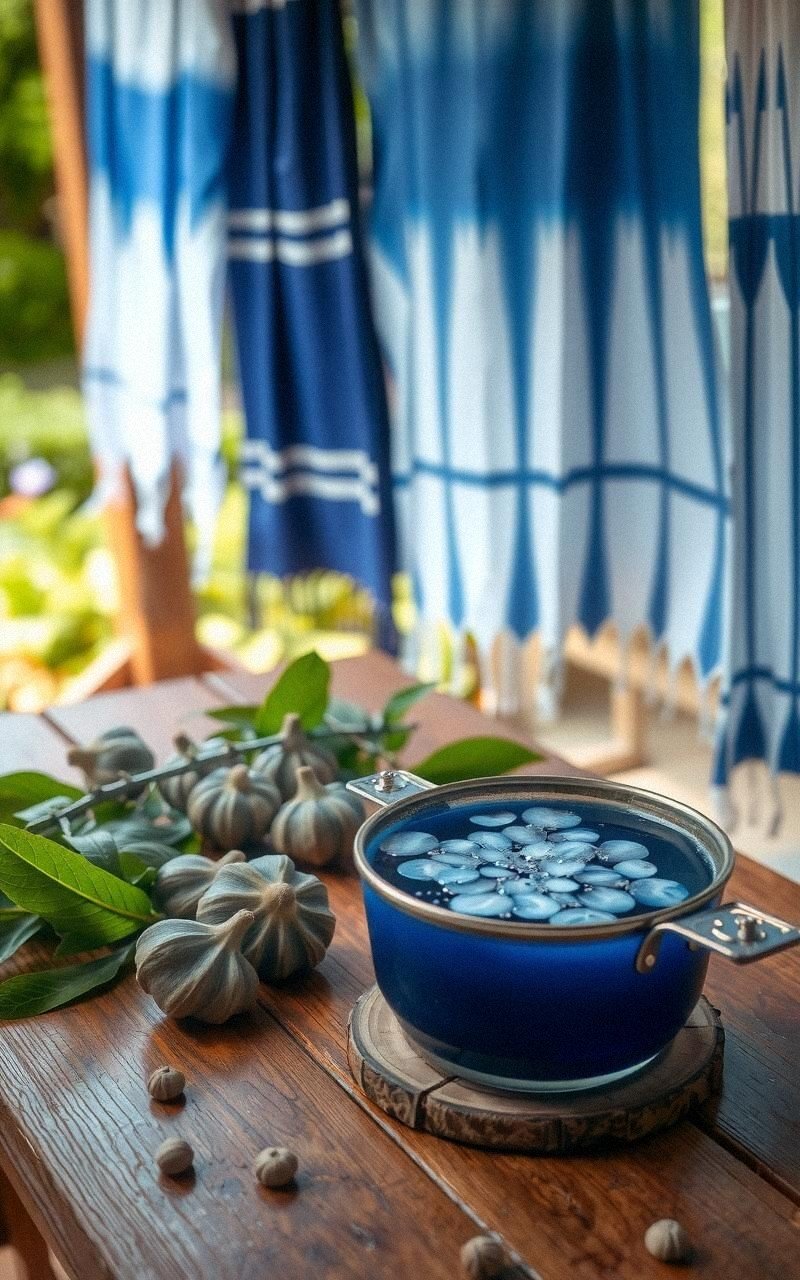
Indigo dyeing is one of the oldest natural dye techniques, creating deep blue hues through a fermentation process. Extracting indigo from leaves requires soaking and fermenting the plant material to produce the characteristic blue pigment.
After preparing the dye vat, fabrics are dipped and exposed to air to oxidize and develop the rich color. This method offers a striking, long-lasting color often used for denim and textiles.
Though slightly more involved, indigo dyeing is rewarding and perfect for those looking to master natural blue dyeing.
Steps:
- Harvest fresh indigo leaves and soak them in water overnight.
- Blend the soaked leaves and strain to extract juice.
- Ferment the juice for 24-48 hours until it turns blue-green.
- Add lime or wood ash to increase pH and create dye vat.
- Dip fabric repeatedly, allowing exposure to air between dips.
- Rinse fabric and let it dry to reveal deep blue color.
Using Turmeric Powder For Bright Yellow Shades
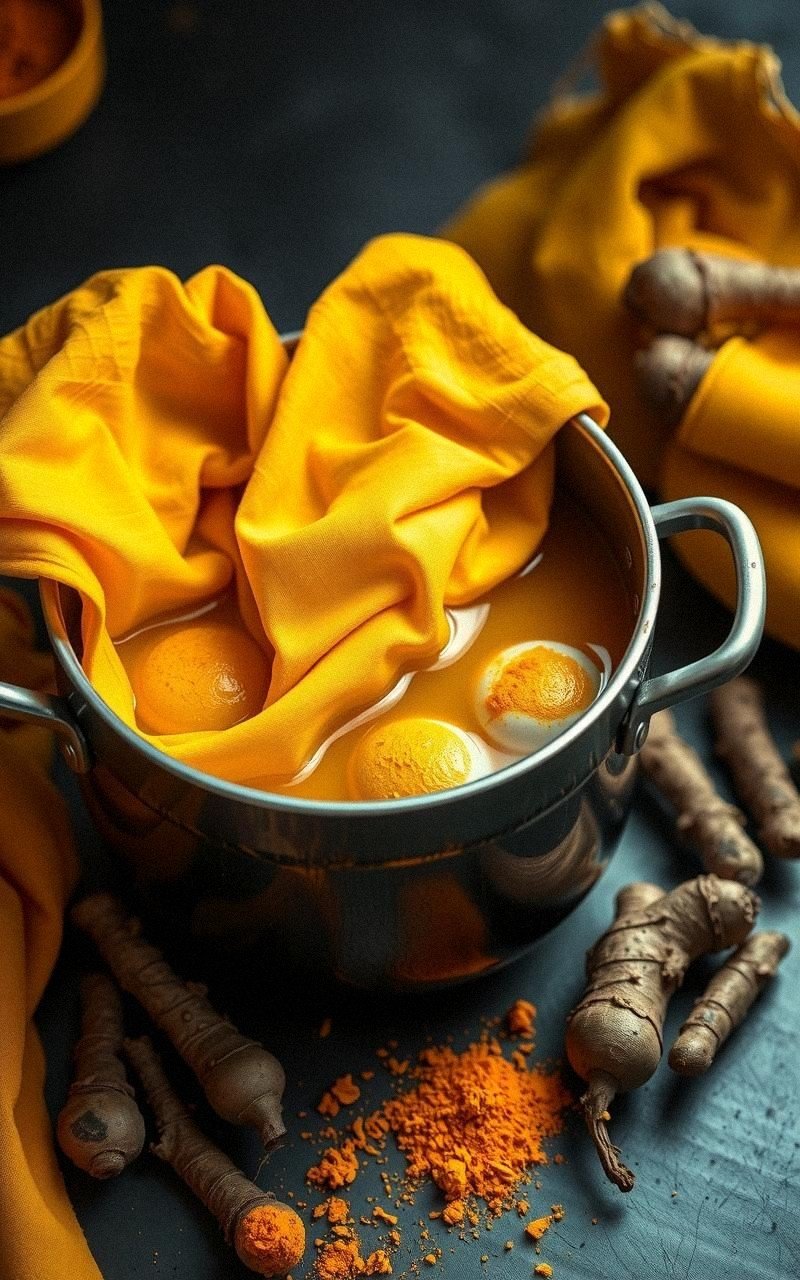
Turmeric, a common kitchen spice, produces vibrant yellow dyes ideal for cotton and silk fabrics. Its strong pigment requires just a simple simmering process to create a bright, cheerful color.
This technique is quick and accessible, perfect for adding sunny tones to scarves, bags, or clothing. Turmeric dye is light-sensitive, so dyed items should be kept away from prolonged sunlight to maintain their brilliance.
The warm, golden yellow is sure to brighten any textile project naturally.
Steps:
- Dissolve turmeric powder in hot water to create a dye bath.
- Simmer the mixture for 30 minutes to intensify color.
- Wet fabric thoroughly before dyeing.
- Soak fabric in the turmeric dye bath for 30-60 minutes.
- Rinse fabric gently with cold water.
- Dry fabric indoors away from direct sunlight.
Creating Rich Reds With Madder Root Dye
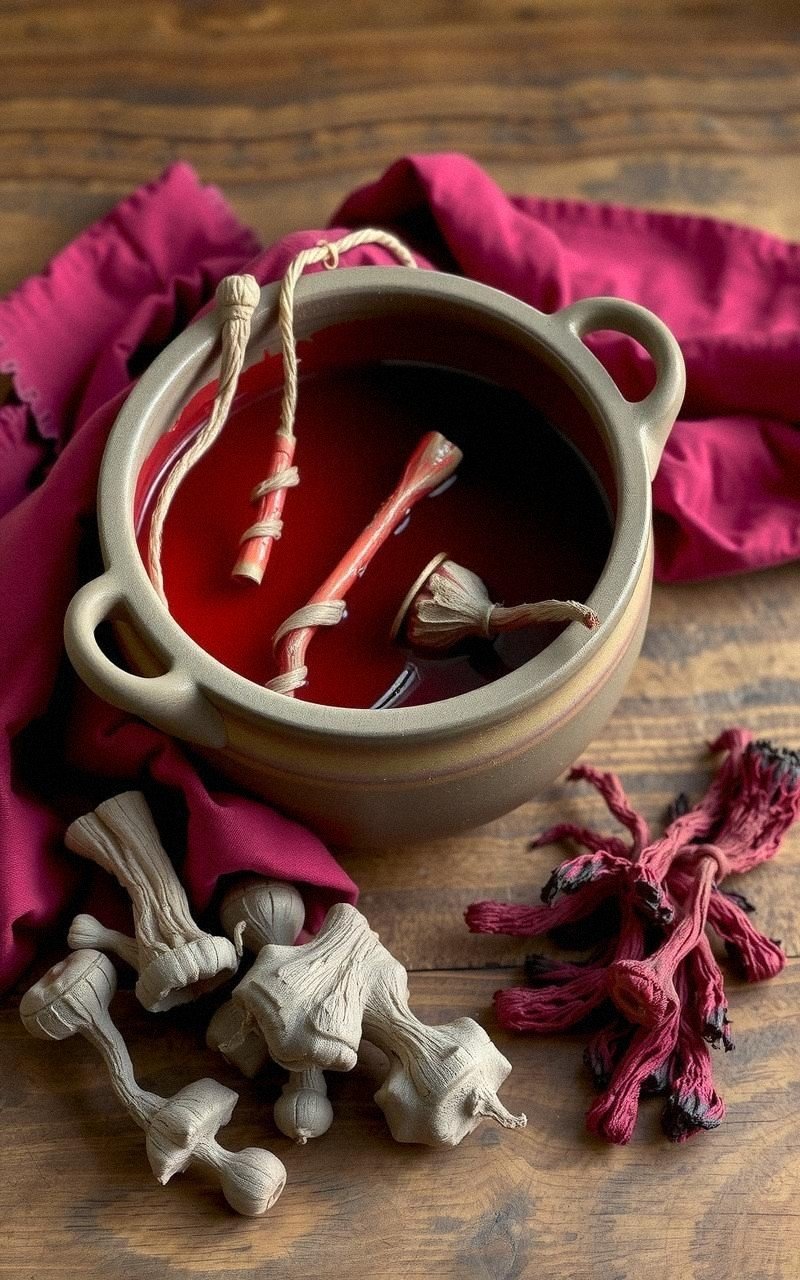
Madder root has been used for centuries to create rich red and pink hues on natural fibers. By boiling the dried root, you extract a deep red pigment that can dye wool, silk, or cotton.
This natural dye technique results in warm, earthy reds that are subtle yet striking. Madder root dyeing requires patience, but the results are worth the wait, offering shades that deepen over time with exposure to light and washing.
It’s a rewarding choice for those seeking a natural red dye alternative.
Steps:
- Chop dried madder root into small pieces.
- Boil the root in water for 1-2 hours to extract dye.
- Strain the liquid to remove solids.
- Pre-wet fabric and immerse in dye bath for several hours.
- Remove fabric and rinse with cool water.
- Hang fabric to dry and expose to light for color development.
Extracting Greens Using Spinach Leaves Dye
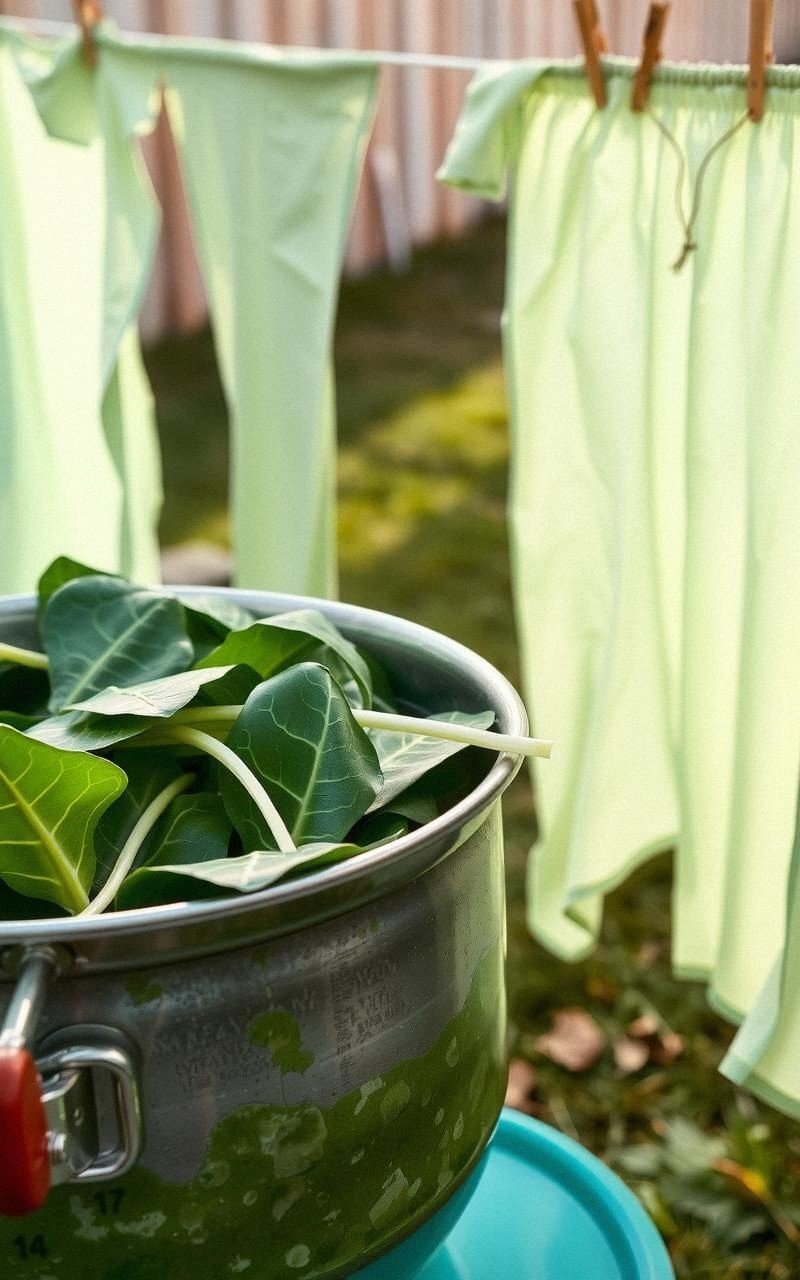
Spinach leaves offer a subtle green dye when processed correctly, ideal for light-colored fabrics. Fresh spinach is boiled to release chlorophyll, producing a pale green dye bath.
The color is delicate and best suited for natural fibers like cotton or linen. Because green is a challenging color to achieve naturally, combining spinach with other plant material can intensify the hue.
This gentle dye technique adds a fresh, natural touch to textiles with minimal materials required.
Steps:
- Gather fresh spinach leaves and rinse thoroughly.
- Boil leaves in water for 30-60 minutes.
- Strain the dye liquid into a container.
- Soak pre-wetted fabric in the green dye bath for 1-2 hours.
- Remove fabric and rinse with cold water.
- Hang fabric to dry in shade.
Achieving Soft Pinks With Beetroot Dyeing
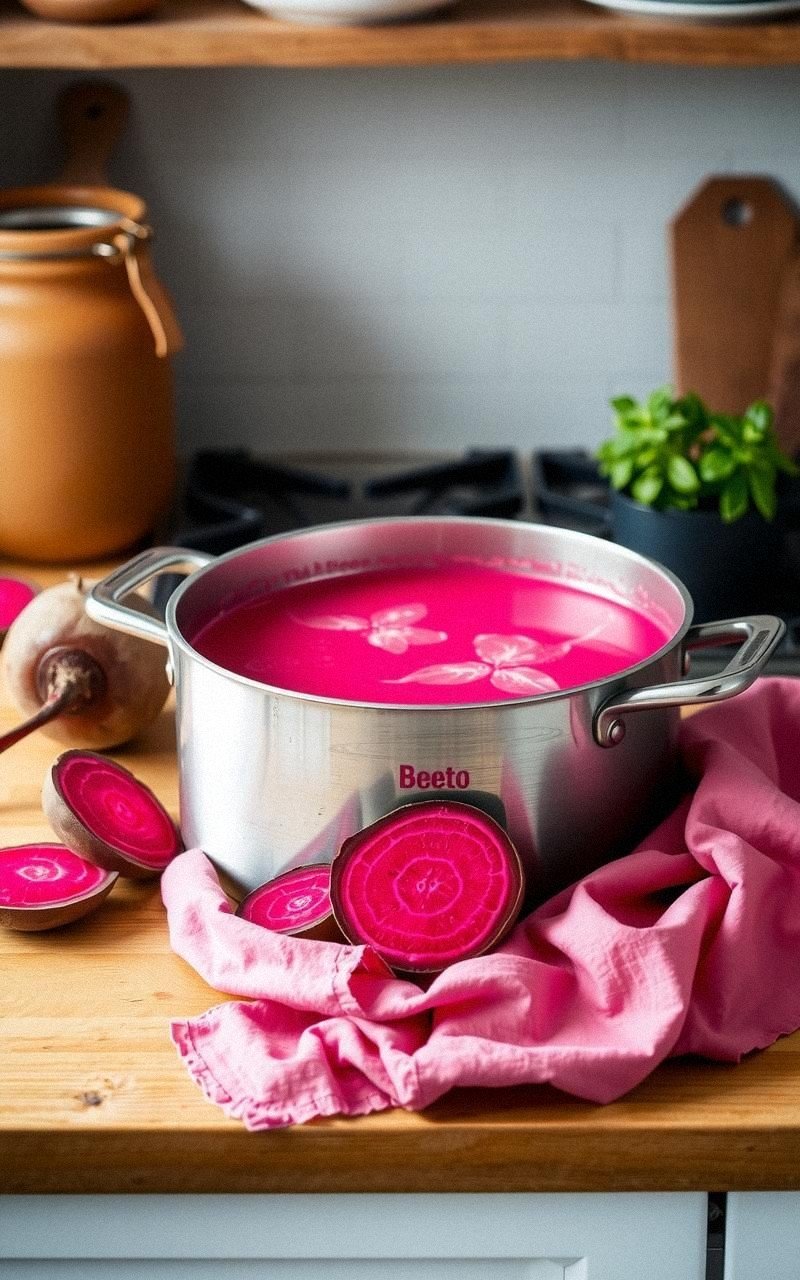
Beetroot is a popular natural dye source for soft pink and magenta shades on various fabrics. The process involves boiling beet slices or juice to release pigments that soak into natural fibers.
Beetroot dye creates lively colors but can fade quickly if exposed to sunlight, so care is needed during drying and storage. This technique is accessible and non-toxic, making it perfect for craft projects or experimenting with gentle hues on cotton or silk textiles.
Steps:
- Slice fresh beets and place them in a pot of water.
- Simmer for 1 hour to extract the dye.
- Strain the beet dye liquid into a separate container.
- Wet fabric thoroughly before dyeing.
- Immerse fabric in beet dye bath for 30-60 minutes.
- Rinse gently and dry fabric away from direct sun.
Golden Browns From Black Tea Dyeing Technique
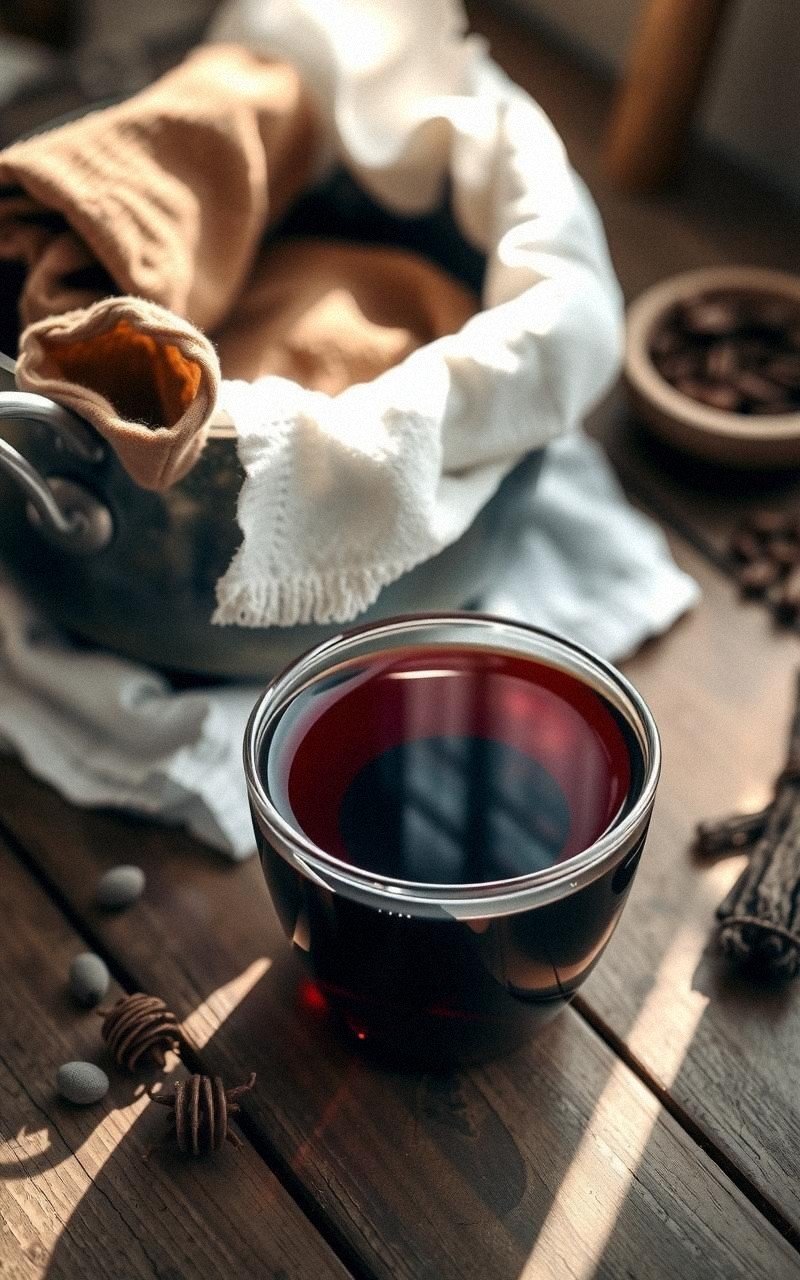
Black tea provides a warm brown dye that lends a vintage, earthy tone to fabrics. This technique is simple and uses materials many have at home.
By steeping strong black tea and soaking fabric in the brew, you achieve a pleasant sepia-like effect. It’s ideal for aging white or light-colored textiles naturally.
The resulting color varies based on tea strength and fabric type, making each project unique. This method is gentle on fibers and easy to repeat for consistent results.
Steps:
- Brew a strong batch of black tea and let it cool.
- Pre-soak fabric in water to prepare it for dyeing.
- Immerse fabric in tea bath for 1-2 hours.
- Remove fabric and rinse lightly with cold water.
- Hang fabric to dry indoors or in shade.
- Repeat dipping for darker shades if desired.
Rustic Orange Tones From Carrot Tops Dye
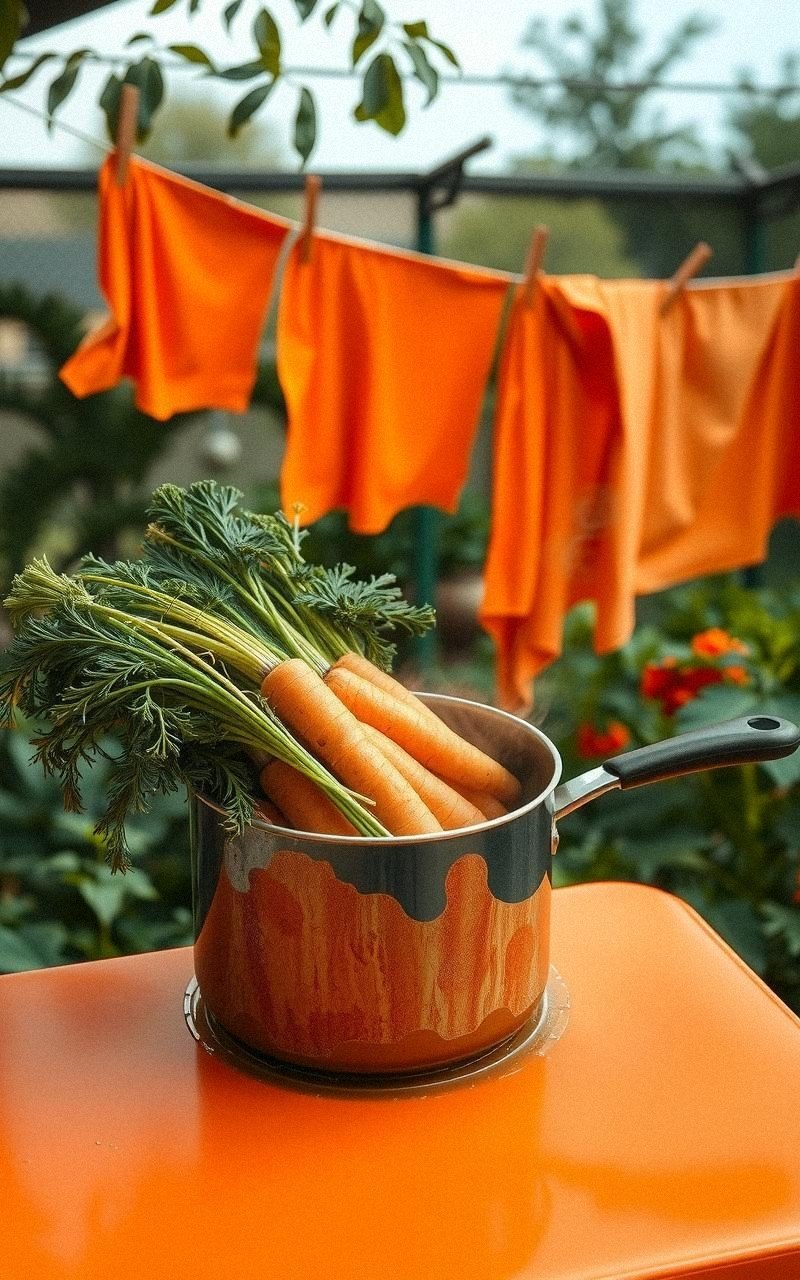
Carrot tops, often discarded, can be used to create subtle orange and rusty hues. This natural dyeing technique repurposes kitchen scraps into a colorful resource.
By boiling carrot greens, you extract pigments that color fabrics with soft, earthy tones. This eco-conscious method is ideal for lightweight fibers and adds a natural touch to your DIY projects.
While colors are mild, layering dye sessions can enhance depth and richness, making carrot tops a valuable dye source.
Steps:
- Collect fresh carrot tops and rinse thoroughly.
- Boil carrot tops in water for 45 minutes.
- Strain the dye into a container.
- Soak pre-wetted fabric in carrot top dye for 1-2 hours.
- Remove fabric and rinse with cool water.
- Dry fabric away from direct sunlight.
Creating Earthy Browns With Walnut Hull Dye
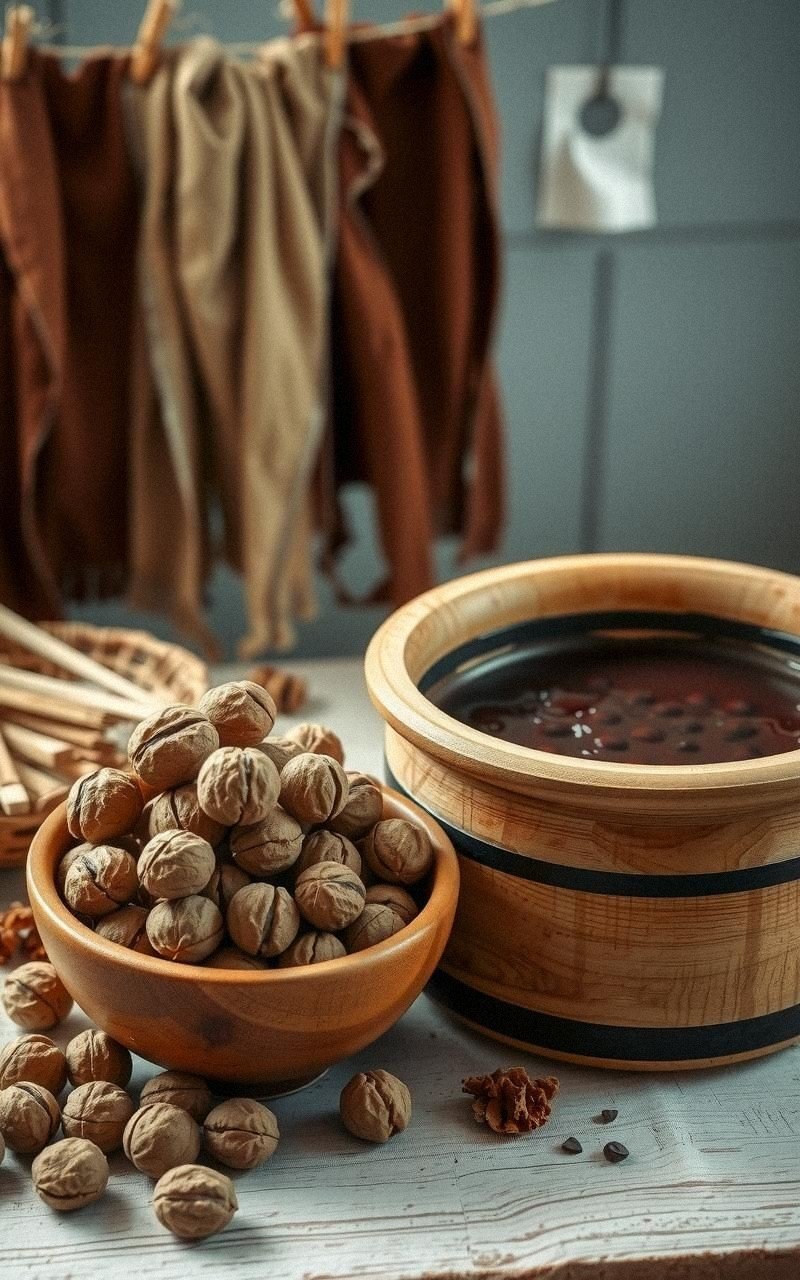
Walnut hulls produce a deep, rich brown dye perfect for wool and cotton fabrics. This technique uses the outer green or black walnut husks, which contain strong tannins.
Simmering hulls releases a dark pigment that creates warm, earthy tones. The dye is long-lasting and resistant to fading, ideal for natural fiber projects.
Walnut hull dye requires some preparation but rewards with beautiful, natural browns that vary from golden to chocolate.
Steps:
- Gather green or black walnut hulls and chop them.
- Simmer hulls in water for 1-2 hours.
- Strain the dye liquid into a separate pot.
- Wet fabric before immersion for even dyeing.
- Soak fabric in dye bath for 1-3 hours depending on intensity.
- Rinse fabric gently and dry in shade.
Gentle Lavender Dye From Fresh Lavender Buds
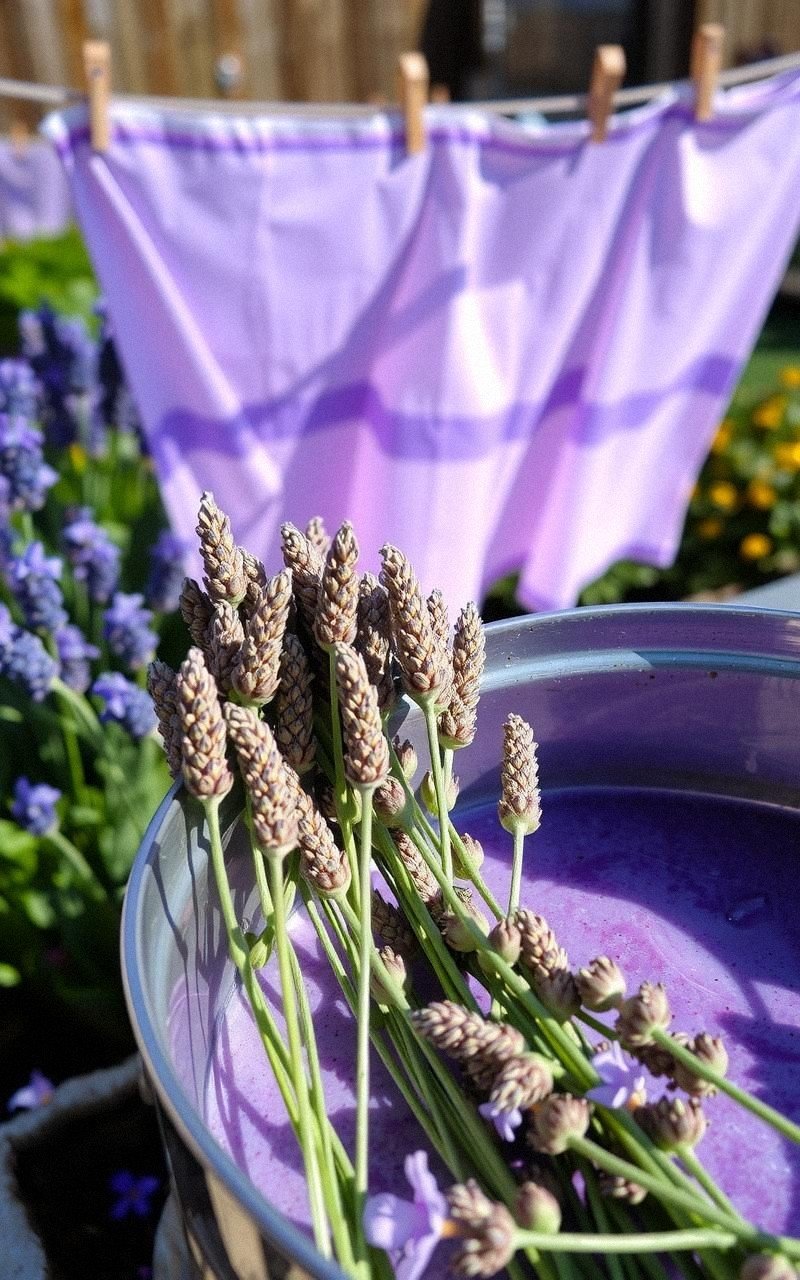
Fresh lavender buds can be used to create soft purple or lavender-colored dyes. This gentle natural dyeing technique requires simmering the buds to extract subtle pigments, which work best on light cotton or linen fabrics.
The resulting color is delicate and fragrant, ideal for scarves, pillowcases, and light clothing. Lavender dye fades faster than some others, so it’s best suited for decorative or delicate items.
The calming scent adds an extra sensory pleasure to the dyeing process.
Steps:
- Harvest fresh lavender buds and rinse gently.
- Simmer buds in water for 30-60 minutes.
- Strain the liquid to create the dye bath.
- Pre-wet fabric to prepare it for dyeing.
- Soak fabric in lavender dye for 1-2 hours.
- Rinse fabric lightly and dry in shade.
Rich Purples From Blackberries Dyeing Method
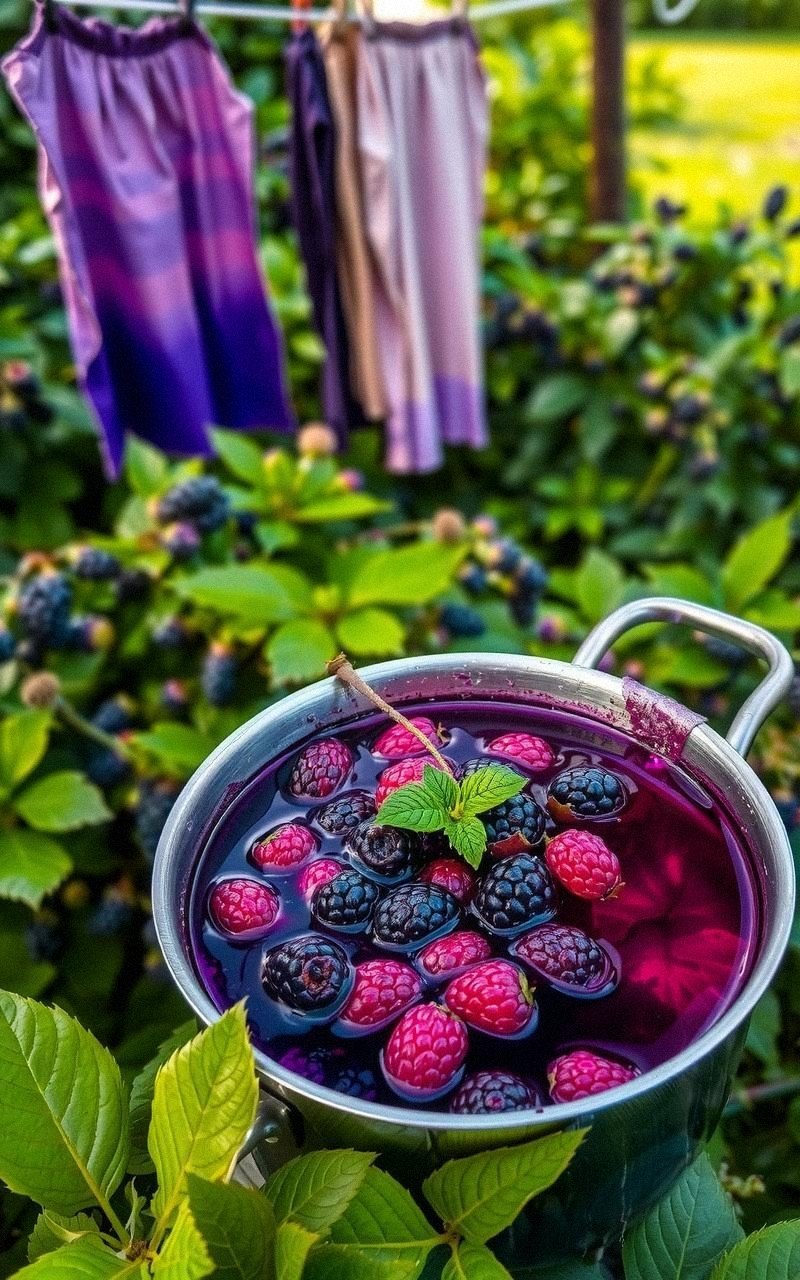
Blackberries yield vibrant purple and violet dyes, perfect for cotton, silk, or wool fibers. Crushing and boiling the berries releases their intense pigment into the dye bath.
The color can range from soft lavender to deep violet depending on fabric and dye time. This natural dyeing technique is seasonal but offers striking results for those seeking jewel-toned textiles.
Dye stability varies, so gentle washing and shade drying help preserve the rich hues.
Steps:
- Crush fresh blackberries to release juice.
- Simmer crushed berries in water for 30-45 minutes.
- Strain the dye liquid carefully.
- Wet fabric and soak in blackberry dye bath for 1-2 hours.
- Remove fabric, rinse gently, and dry in shade.
- Repeat dyeing for deeper color if desired.
Soft Grey Tones Achieved With Walnut Hulls And Iron
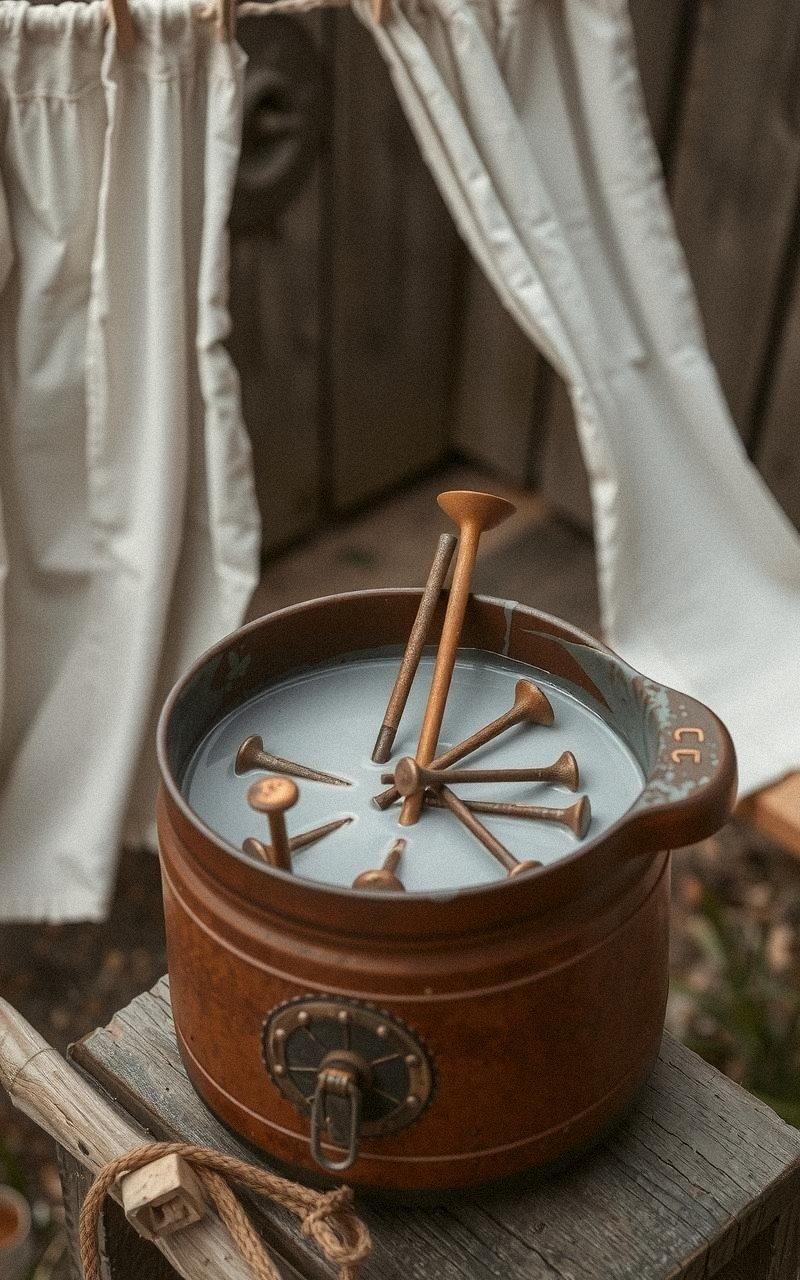
Combining walnut hull dye with an iron mordant produces soft, muted grey tones on natural fabrics. Iron acts as a color modifier, shifting the brown pigments into cooler greys.
This technique is useful for achieving understated, elegant colors without synthetic dyes. The process involves preparing the walnut dye bath and introducing iron-rich materials such as rusty nails or iron sulfate during dyeing.
This natural grey is perfect for home textiles or garments with a subtle, earthy palette.
Steps:
- Prepare walnut hull dye bath by boiling hulls in water.
- Add iron mordant or rusty nails to the dye bath.
- Simmer fabric in the modified dye bath for 1-3 hours.
- Remove fabric and rinse with cold water.
- Dry fabric in shade to preserve color.
- Repeat dipping for darker grey shades if needed.
Bright Orange From Marigold Flower Dye
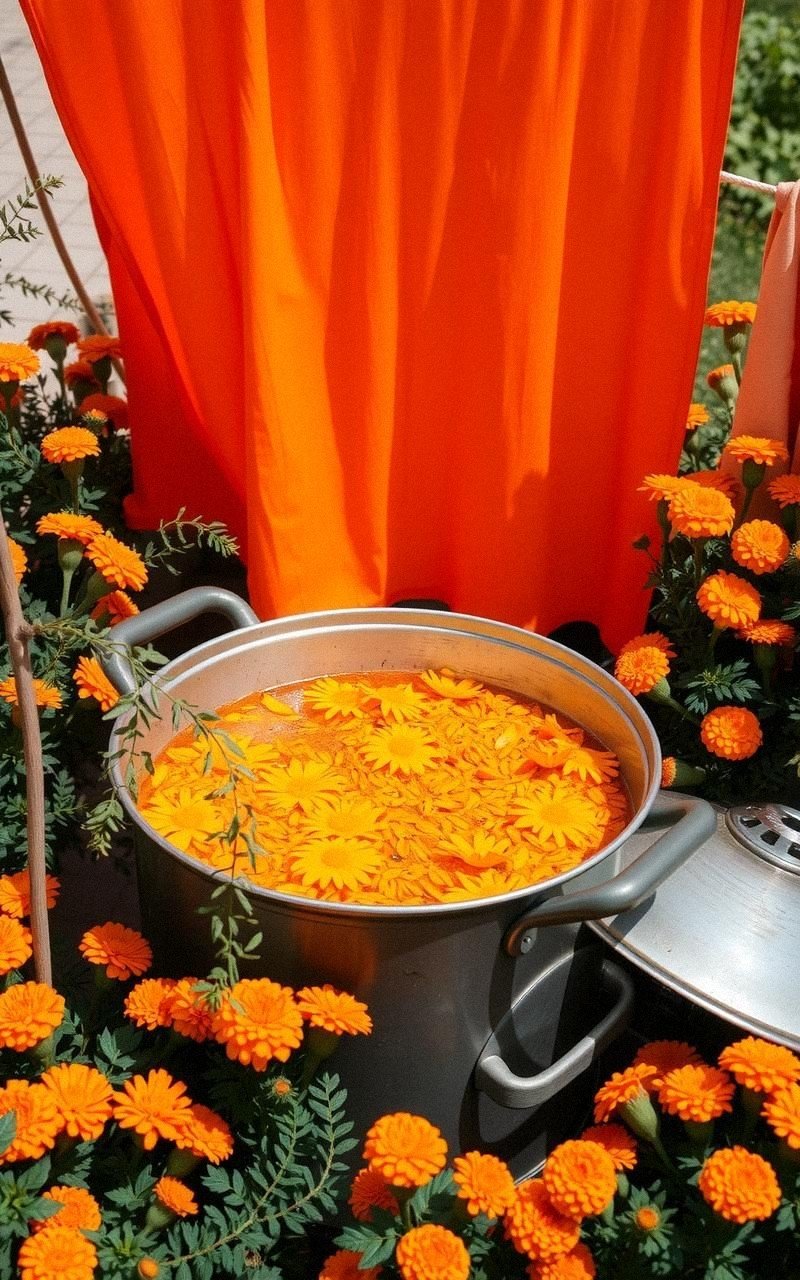
Marigold flowers produce cheerful orange and golden hues when used as a natural dye. The petals release pigment through simmering and work well on cotton and silk fabrics.
This floral dyeing method is simple and adds a fresh, sunny color to textiles. Marigold dye creates a warm tone that’s perfect for summer accessories or home décor.
The bright orange color may fade with sunlight, so drying in shade helps maintain vibrancy longer.
Steps:
- Harvest fresh marigold petals and rinse.
- Simmer petals in water for 30-60 minutes.
- Strain the dye bath to remove flower bits.
- Pre-wet fabric before dyeing.
- Soak fabric in marigold dye bath for 1-2 hours.
- Rinse fabric gently and dry in shade.
Muted Beige From Coffee Grounds Dye Technique
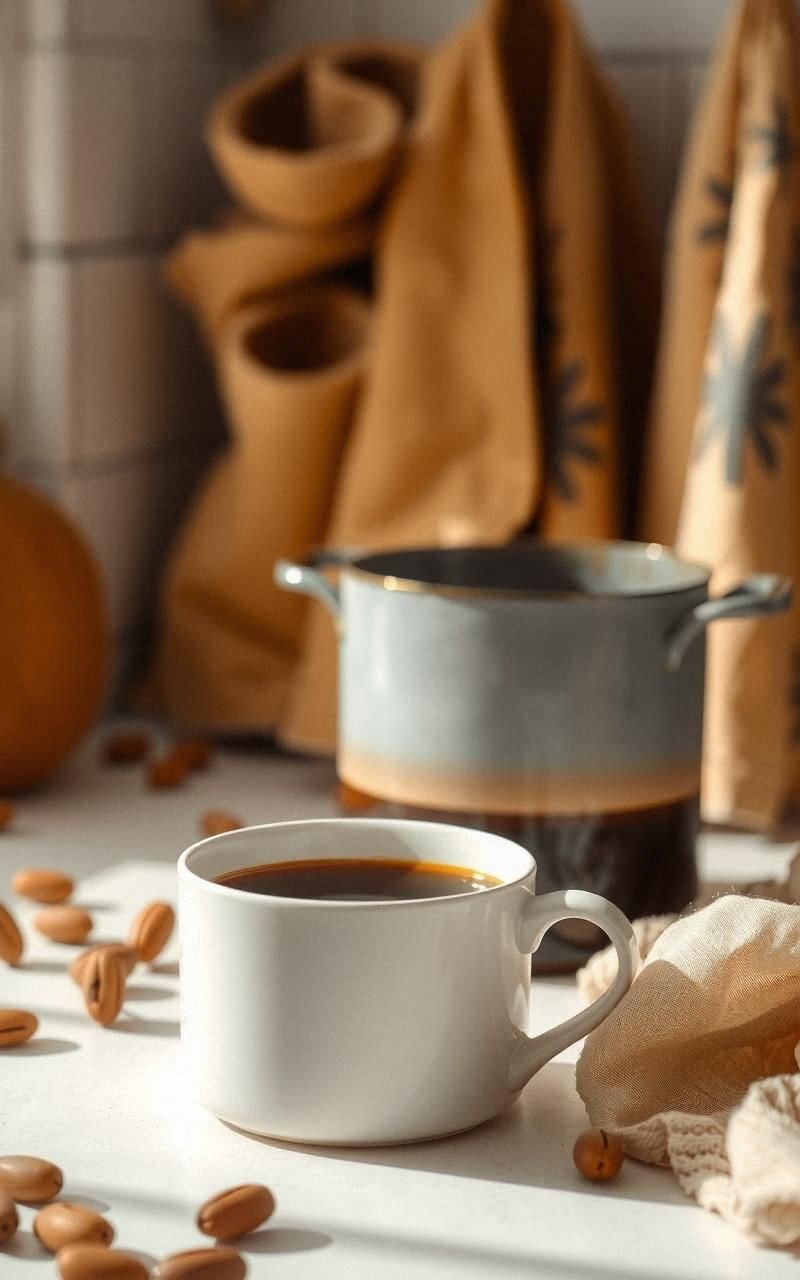
Used coffee grounds can be repurposed to create muted beige and brown dyes for textiles. Brewing strong coffee and soaking fabric in the cooled brew imparts a warm, natural tone.
This eco-friendly dye method offers a subtle color change perfect for aging fabrics or creating vintage effects. Coffee dyeing is easy and accessible, ideal for quick projects or experimenting with gentle earth tones on cotton or linen.
Steps:
- Brew a strong pot of coffee and let it cool.
- Wet fabric before dyeing for even absorption.
- Soak fabric in coffee dye bath for 1-2 hours.
- Remove fabric and rinse lightly with cold water.
- Hang fabric to dry indoors or in shade.
- Repeat for darker shades if desired.
Deep Reds From Hibiscus Flower Dyeing
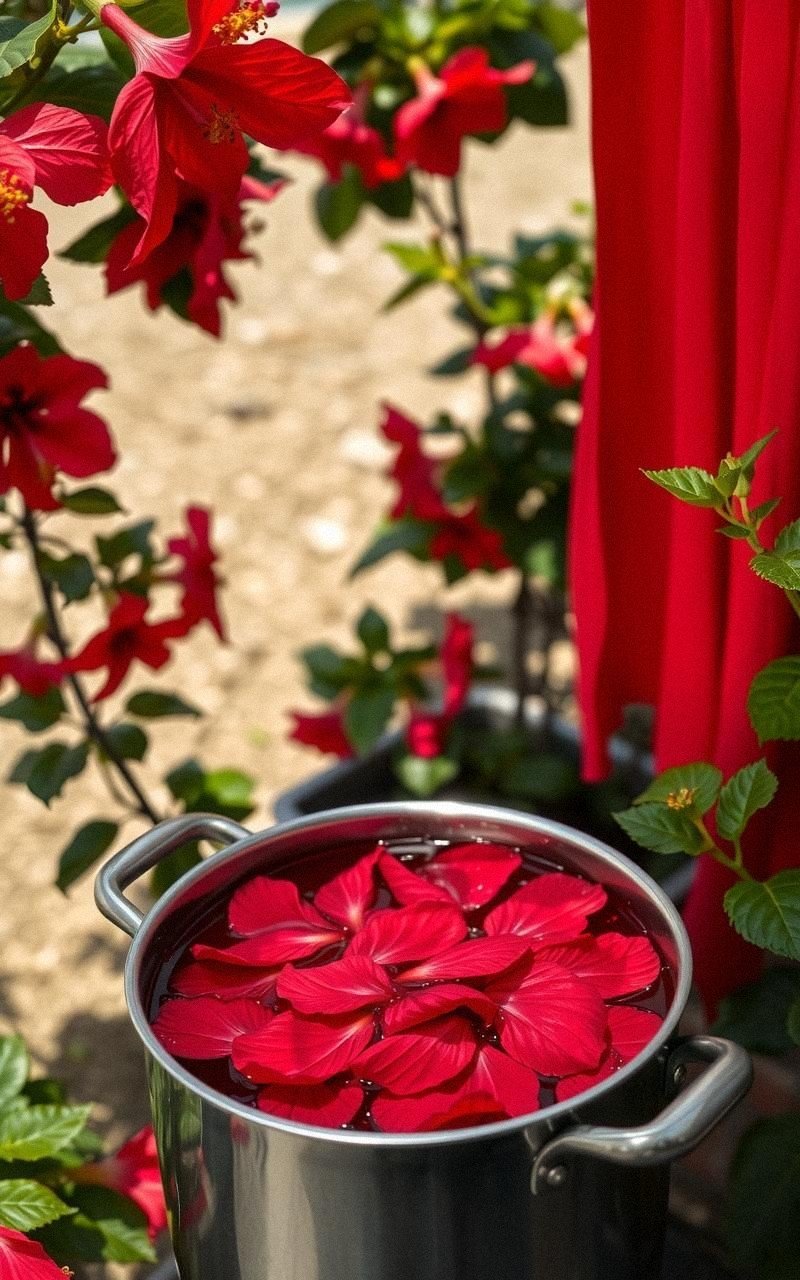
Hibiscus flowers provide a vibrant red to pink dye through boiling the petals. This natural dyeing process works well on cotton and silk, offering rich, warm hues that brighten textiles.
Hibiscus dye is ideal for summer projects or accessories, bringing a floral-inspired color palette. The dye bath can be reused multiple times, and colors deepen with longer soaking.
Protect dyed items from strong sunlight to keep the colors vivid for longer.
Steps:
- Collect fresh or dried hibiscus petals.
- Simmer petals in water for 45 minutes.
- Strain dye bath to remove solids.
- Pre-wet fabric before dyeing.
- Soak fabric in hibiscus dye bath for 1-2 hours.
- Rinse fabric gently and dry in shade.
Soft Blue From Red Cabbage And Baking Soda
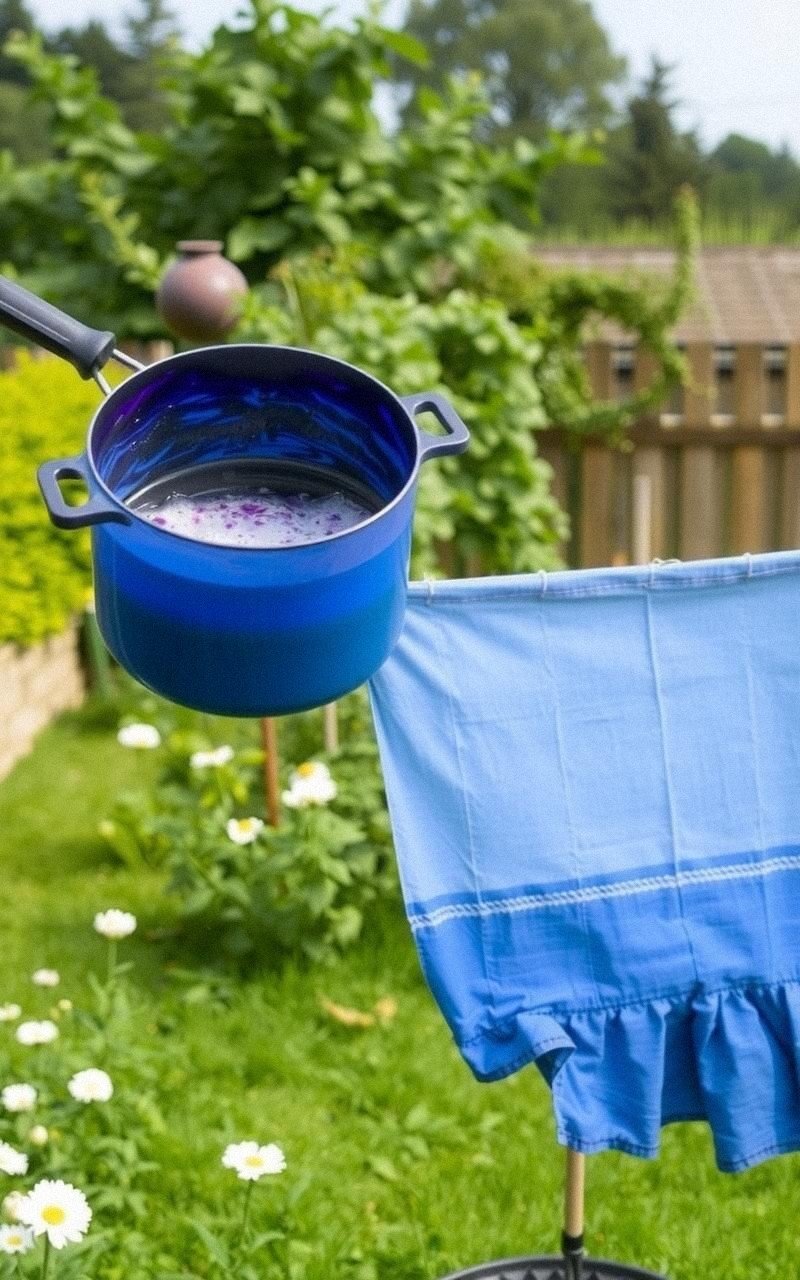
Red cabbage juice changes color depending on pH, allowing you to create blue dyes by adding baking soda to the dye bath. This clever natural dye technique results in soft blue to teal shades on cotton or linen.
Boiling cabbage releases purple pigments, which turn blue in alkaline conditions. It’s a fun way to experiment with color changes and create unique textiles with cool, natural tones.
Steps:
- Chop red cabbage and boil in water for 30-60 minutes.
- Strain the purple cabbage juice.
- Add baking soda gradually to the juice to turn it blue.
- Wet fabric and soak in blue cabbage dye bath for 1-2 hours.
- Remove and rinse fabric with cold water.
- Dry fabric away from direct sunlight.
Earthy Olive Greens From Eucalyptus Leaf Dye
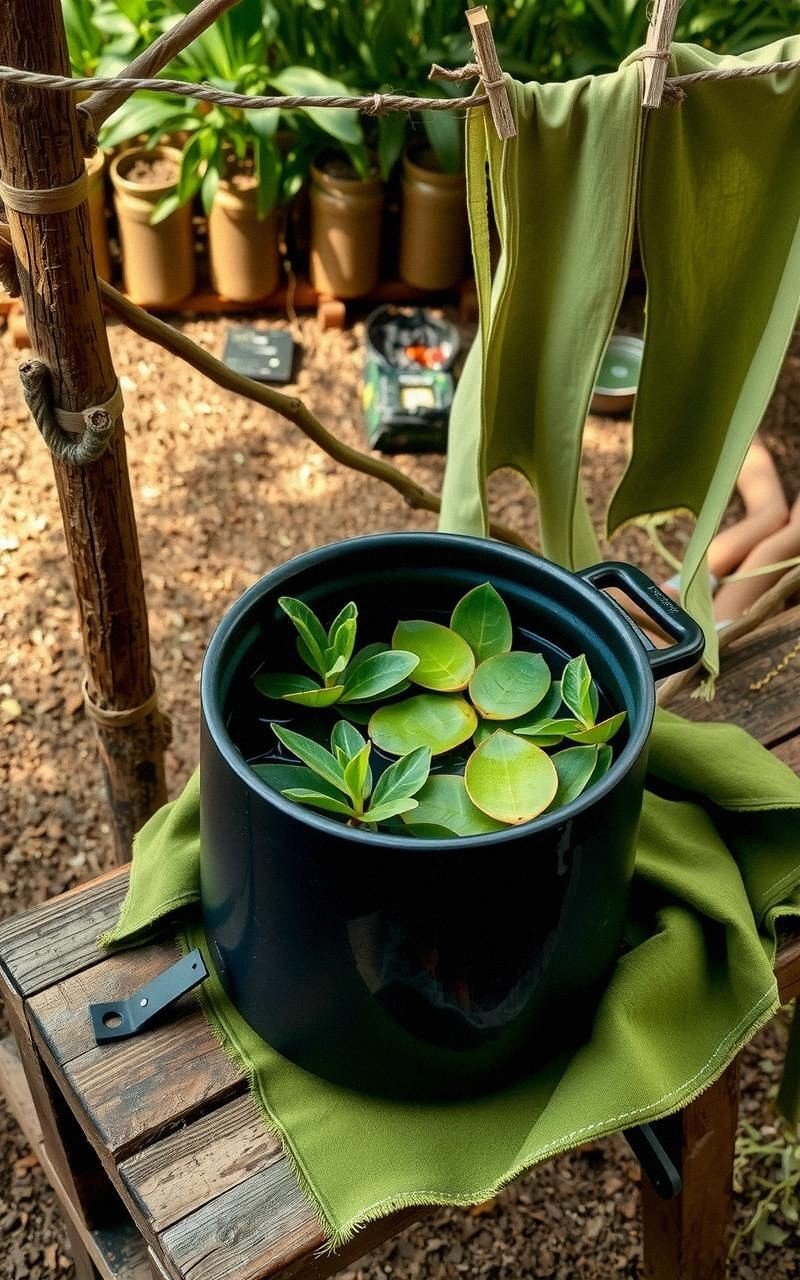
Eucalyptus leaves yield olive green to muted greenish-brown dyes when boiled. This natural dye technique brings a subtle, natural shade to cotton and wool fabrics.
The process involves simmering fresh or dried eucalyptus leaves, then soaking textiles in the extract. The resulting colors are earthy and versatile, good for eco-conscious projects.
The scent of eucalyptus also adds a refreshing herbal aroma to your dyed fabric.
Steps:
- Gather fresh or dried eucalyptus leaves.
- Boil leaves in water for 1 hour.
- Strain the dye bath.
- Pre-wet fabric and soak in eucalyptus dye for 1-3 hours.
- Rinse fabric with cold water.
- Dry fabric in shade to preserve color.
Deep Burgundy Shades From Pomegranate Peel Dye
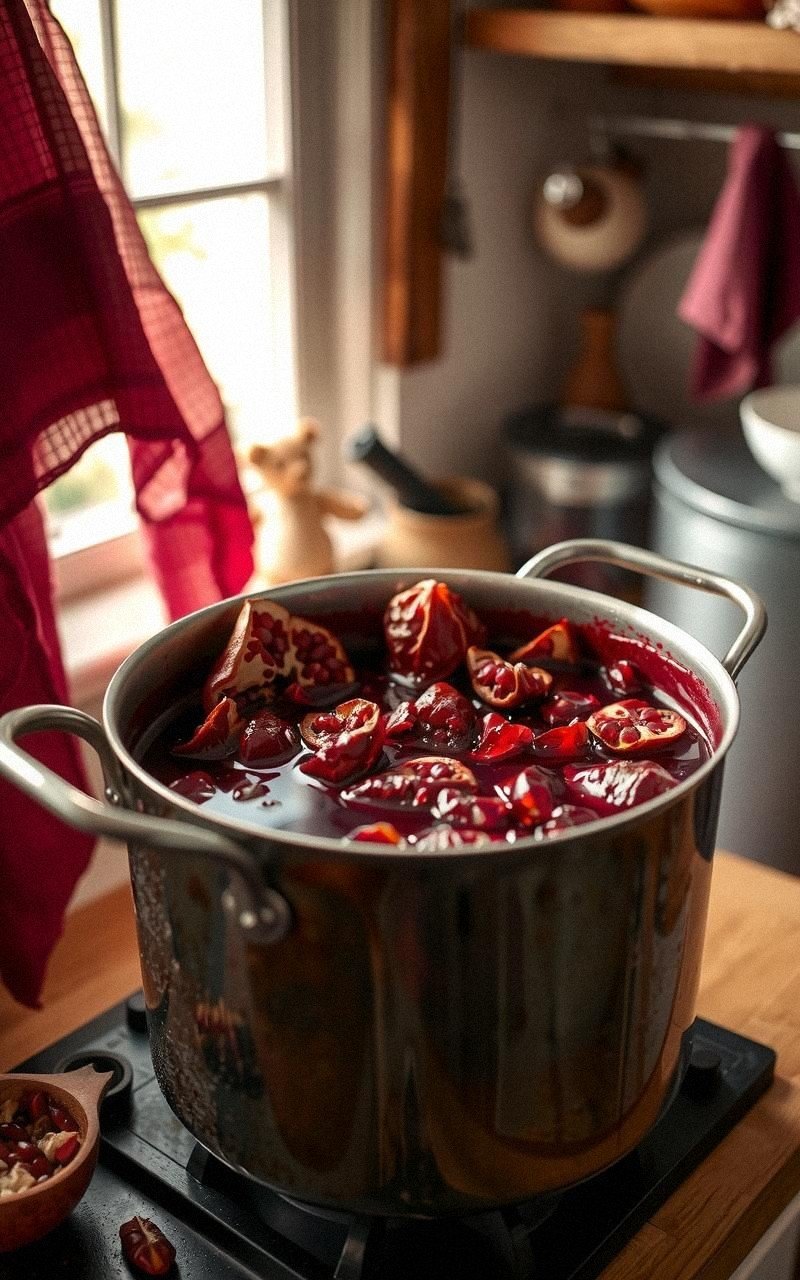
Pomegranate peels produce beautiful burgundy and reddish-brown dyes ideal for natural fibers. Boiling dried or fresh peels extracts tannins and pigments that color fabric with rich, warm tones.
This natural dyeing method is simple and sustainable, using kitchen waste to create luxurious colors. The depth of the burgundy depends on soaking time and fabric type, allowing you to customize your results with ease.
Steps:
- Collect dried or fresh pomegranate peels.
- Boil peels in water for 1 hour.
- Strain the dye bath to remove solids.
- Wet fabric and soak in dye bath for 1-3 hours.
- Rinse fabric gently after dyeing.
- Dry fabric in shade.
Golden Yellow From Marigold And Alum Mordant
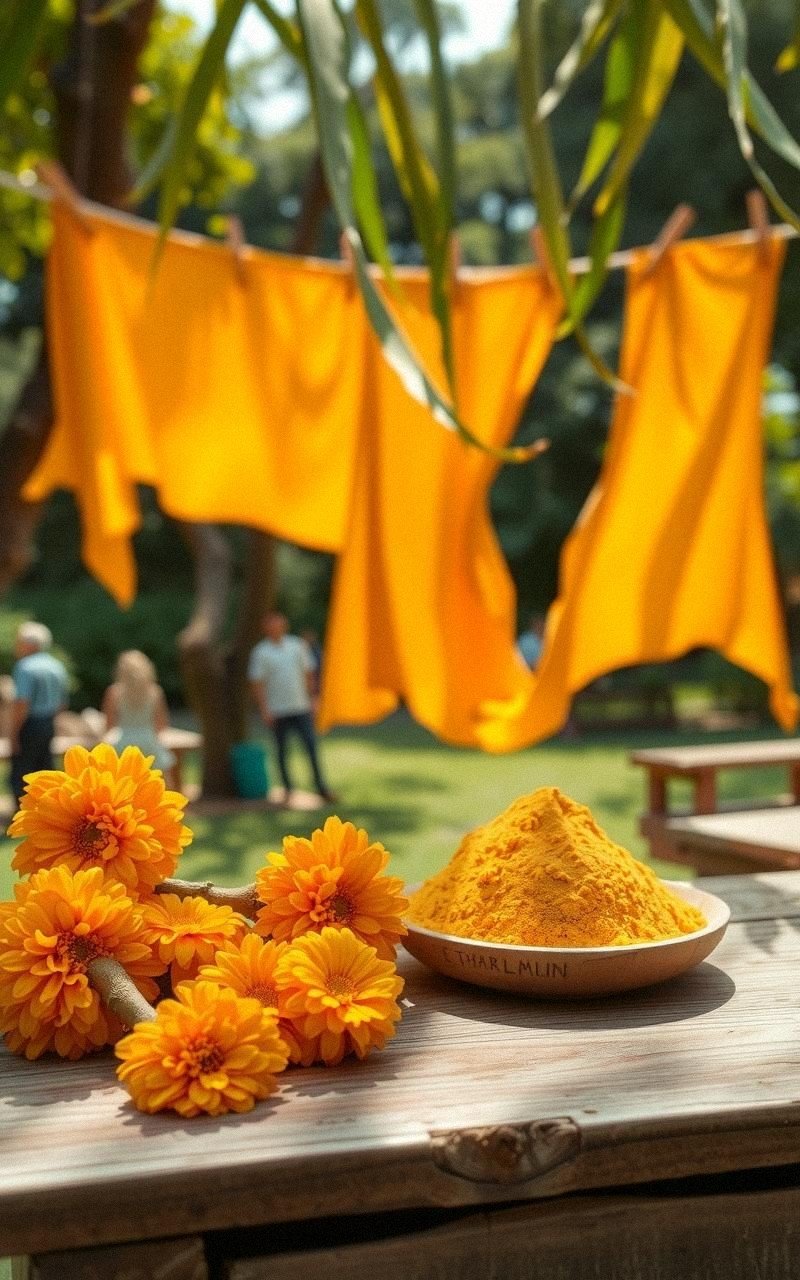
Using marigold flowers combined with an alum mordant intensifies golden yellow hues on cotton and silk. Alum helps the dye bind better to fabric, resulting in brighter, longer-lasting colors.
This method involves mordanting fabric before dyeing, then soaking it in marigold dye baths. The result is a vibrant golden tone perfect for decorative fabric projects.
This technique balances easy flower dyeing with a mordant step for improved colorfastness.
Steps:
- Prepare alum mordant solution and soak fabric for 1 hour.
- Rinse fabric after mordanting.
- Simmer marigold petals in water to prepare dye bath.
- Strain petals and soak mordanted fabric in dye for 1-2 hours.
- Rinse fabric gently and dry in shade.
- Repeat dyeing for deeper color if desired.
Soft Pastel Blues With Butterfly Pea Flower Dye
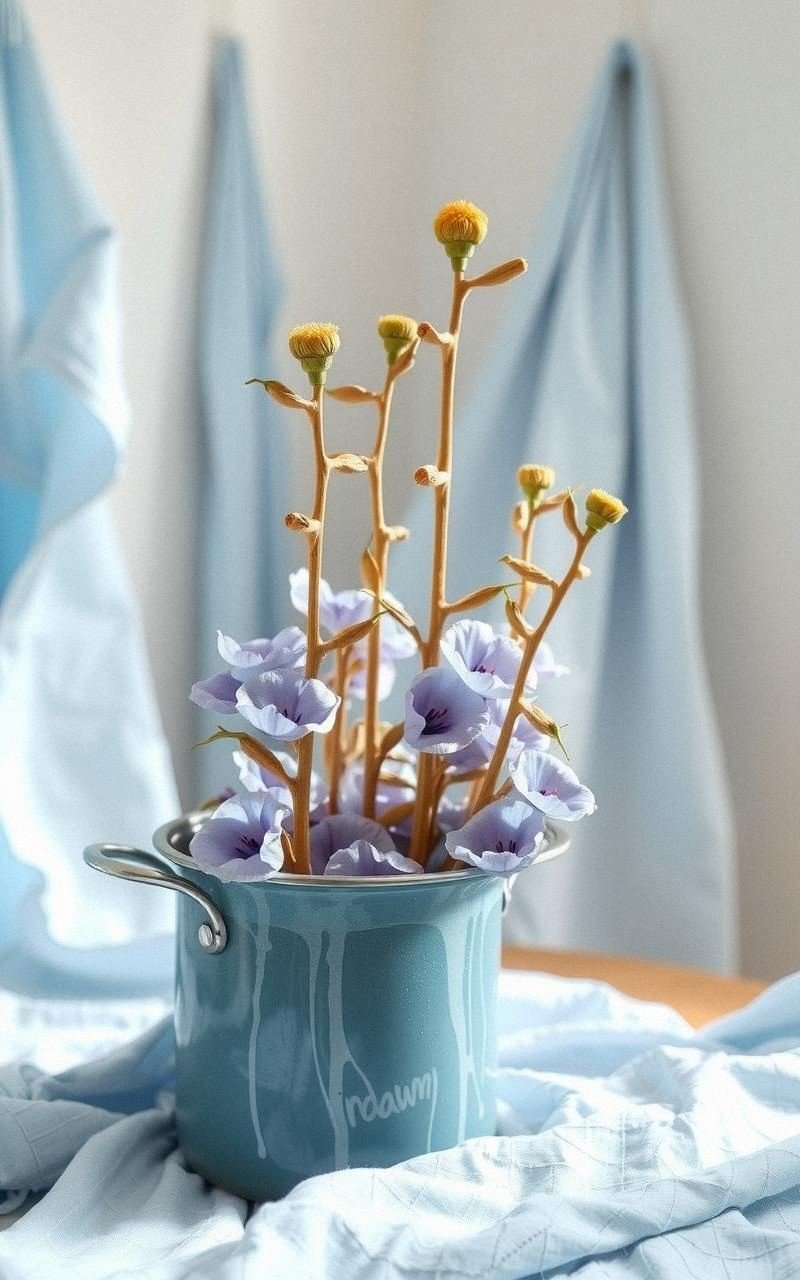
Butterfly pea flowers create stunning pastel blue dyes ideal for cotton and silk. The flowers release a delicate blue pigment when steeped, resulting in soft, calming colors.
This natural dyeing method is simple and fast, perfect for adding a subtle blue tint to scarves, shirts, or linens. The color deepens with longer soaking and exposure to air, making it versatile for various projects.
Steps:
- Gather dried butterfly pea flowers.
- Steep flowers in hot water for 30 minutes.
- Strain the blue dye bath.
- Wet fabric and soak in dye for 30-60 minutes.
- Remove fabric, rinse lightly, and dry in shade.
- Repeat dipping for stronger color.
Warm Rust Tones From Avocado Pit Dyeing
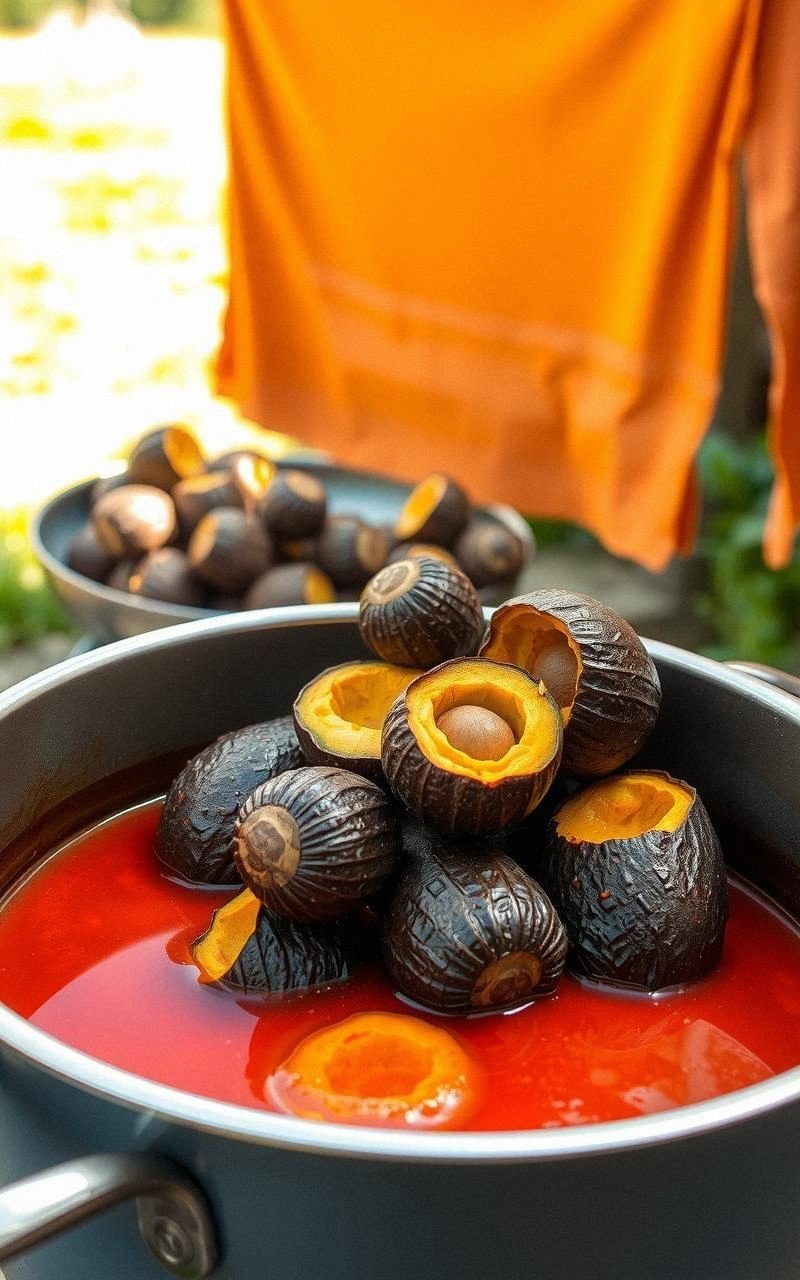
Avocado pits provide a warm rust-colored dye, a surprising and sustainable resource from kitchen waste. Boiling the pits releases pigments that color fabrics in soft orange-brown tones.
This dyeing technique is gentle and works well on cotton and wool fibers. The color develops over time and exposure, giving a natural, earthy finish to your textiles.
It’s a creative way to upcycle avocado leftovers into beautiful colors.
Steps:
- Collect and clean avocado pits, chopping if possible.
- Simmer pits in water for 1-2 hours.
- Strain the warm rust dye bath.
- Pre-wet fabric and soak in dye for 1-3 hours.
- Rinse fabric gently and hang to dry.
- Allow color to develop with light exposure.