Key Takeaways
- Soil refers primarily to the uppermost layer of the Earth’s surface, consisting of organic and inorganic materials, crucial for agricultural productivity and ecological balance within geopolitical territories.
- Land denotes the broader expanse of surface area within defined geopolitical borders, encompassing soil, natural resources, infrastructure, and human settlements.
- Soil quality directly impacts land usability, affecting agriculture, construction, and environmental management within a given territory.
- Land ownership and governance are tied to political and legal frameworks, whereas soil is a natural resource subject to environmental science and conservation efforts.
- Differences between soil and land influence policies on land use planning, territorial disputes, and sustainable development strategies at local and national levels.
What is Soil?
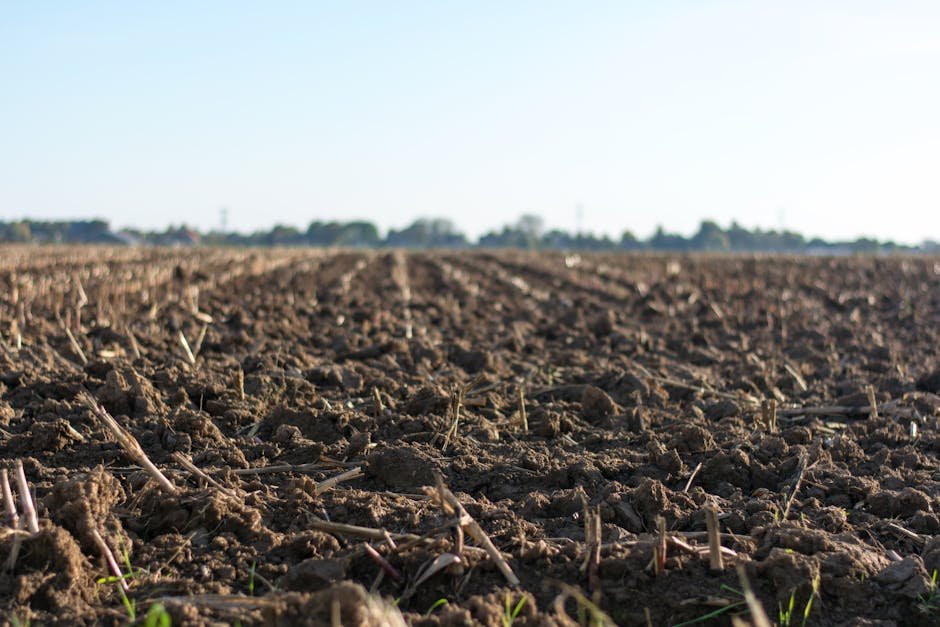
Table of Contents
Soil is the upper layer of the Earth’s surface composed of mineral particles, organic matter, water, and air, forming the medium for plant growth. It plays a vital role in supporting ecosystems and human agriculture within geopolitical boundaries.
Composition and Characteristics
Soil is a complex mixture of minerals, organic matter, gases, liquids, and countless organisms that together support plant life. Its texture, structure, and nutrient content vary widely depending on climate, vegetation, and geological history.
The presence of humus, decomposed organic material, enriches the soil and improves fertility, influencing how land can be cultivated. Soil pH and moisture levels are critical factors that determine the types of crops or vegetation that can thrive in a region.
Soil biodiversity, including bacteria, fungi, and invertebrates, contributes to nutrient cycling and soil health, which in turn affects the productivity of geopolitical land areas. Soil degradation, through erosion or contamination, poses significant challenges to land management worldwide.
Soil’s Role in Agriculture and Food Security
Soil is the foundation of agriculture, providing essential nutrients and physical support for crops that sustain human populations. Fertile soil supports food security by enabling high yields and diverse cultivation practices within national boundaries.
Land use policies often consider soil quality to optimize farming practices and minimize environmental impact. In regions where soil is poor or degraded, governments may implement soil restoration programs to reclaim agricultural productivity.
Soil conservation techniques, such as contour plowing and cover cropping, help maintain soil structure and prevent erosion on politically defined land parcels. These practices ensure long-term sustainability of food resources in a given territory.
Environmental Functions of Soil
Beyond agriculture, soil acts as a natural filter, regulating water flow and purifying pollutants before they reach groundwater or rivers. This environmental service is critical within geopolitical regions to maintain clean water supplies and healthy ecosystems.
Soil carbon sequestration plays a role in mitigating climate change by storing carbon that would otherwise contribute to atmospheric greenhouse gases. Managing soil health is therefore integral to environmental policies at local and national levels.
In urban areas, soil quality influences green space development and stormwater management, affecting the livability of cities within geopolitical jurisdictions. Soil contamination in industrial zones requires remediation to protect public health and the environment.
Legal and Regulatory Aspects of Soil
While soil itself is not typically owned, its management falls under regulatory frameworks that govern land use and environmental protection. Governments set standards for soil quality to prevent degradation and ensure sustainable use of natural resources.
Soil classification systems assist policymakers in identifying areas suitable for agriculture, construction, or conservation within territorial boundaries. Enforcement of soil conservation laws is crucial to maintaining the ecological balance of a region.
International agreements sometimes address soil preservation as part of broader environmental treaties, reflecting soil’s importance beyond local governance. Soil monitoring programs provide data essential for informed decision-making at the geopolitical level.
What is Land?
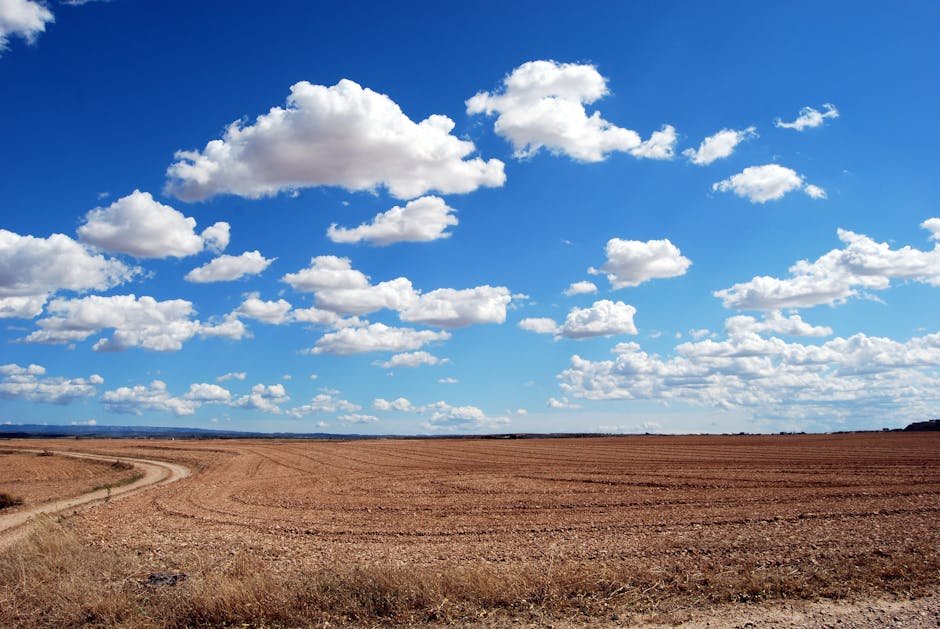
Land refers to a defined area of the Earth’s surface, including soil, water bodies, and built environments, recognized within geopolitical boundaries. It encompasses natural resources and is subject to laws governing ownership, use, and development.
Geopolitical Boundaries and Land Division
Land is demarcated by political borders such as national boundaries, states, or municipalities, establishing jurisdictional control over resources and populations. These boundaries determine governance, legal rights, and responsibilities related to land use and management.
Within countries, land is subdivided into parcels or plots for residential, commercial, agricultural, or industrial use, reflecting socio-economic priorities. Land division impacts taxation, infrastructure development, and urban planning within political territories.
Disputes over land boundaries are common geopolitical issues, often involving historical claims or resource control. Resolution of such conflicts requires legal frameworks and sometimes international arbitration.
Land Utilization and Development
Land use planning involves assigning functions to different areas based on economic, environmental, and social objectives. Governments regulate land development to balance growth with conservation, ensuring sustainable urban and rural environments.
Infrastructure such as roads, buildings, and utilities transforms land into functional spaces for human activity. The intensity and type of land use affect ecosystems and resource availability in politically governed regions.
Land reclamation projects, including draining wetlands or filling coastal areas, expand usable territory but may cause environmental concerns. Such projects are often controversial due to their geopolitical and ecological implications.
Land Ownership and Rights
Ownership of land is a legal concept granting individuals or entities exclusive rights to use, sell, or lease defined areas. Property rights influence economic development, investment, and social stability within geopolitical units.
Land tenure systems vary globally, from private ownership to communal or state-held lands, reflecting cultural and political differences. Secure land rights are essential for agricultural productivity and housing security.
Land restitution programs sometimes address historical injustices by reallocating land to displaced communities. These processes are sensitive and intertwined with political power dynamics.
Environmental and Cultural Significance of Land
Land encompasses not only physical space but also cultural heritage sites, sacred areas, and biodiversity hotspots. The protection of these elements is central to environmental and cultural policies within jurisdictions.
Land degradation, including desertification or deforestation, poses challenges that require coordinated responses at local, national, and international levels. Sustainable land management practices aim to preserve ecological integrity and cultural values.
Urban sprawl and land conversion can threaten natural habitats, necessitating strategic planning to safeguard green spaces and wildlife corridors. Balancing development with conservation is a persistent geopolitical challenge.
Comparison Table
The table below highlights distinctions and overlaps between soil and land from a geopolitical perspective, emphasizing practical and legal considerations.
| Parameter of Comparison | Soil | Land |
|---|---|---|
| Definition | Top layer of Earth supporting plant life and ecological functions. | Surface area within political boundaries, including natural and built environments. |
| Physical Composition | Minerals, organic matter, water, air, and living organisms. | Includes soil, water bodies, infrastructure, and vegetation. |
| Governance | Managed through environmental regulations and conservation policies. | Subject to property laws, zoning, and territorial jurisdiction. |
| Role in Agriculture | Primary medium for crop growth and nutrient cycling. | Includes farmland, pastures, and agricultural infrastructure. |
| Ownership | Not directly owned, but its use is regulated. | Can be privately or publicly owned with transferable rights. |
| Environmental Impact | Affects water filtration, carbon storage, and biodiversity. | Influences land use patterns, habitat conservation, and urban planning. |
| Legal Status | Subject to soil quality standards and pollution controls. | Governed by land tenure, property rights, and land use laws. |
| Significance in Disputes |